Older London homes are more than architectural landmarks. They are living archives of personal history, often filled with decades of letters, bills, photographs, and paperwork. When the time comes to clear a property, these paper collections frequently become the most challenging part of the process.
House clearance paperwork requires more than physical effort. It demands patience, emotional awareness, and a structured method. Without a plan, the task can feel endless and overwhelming.
Managing house clearance paperwork in older London homes is often the most time-consuming and emotionally demanding part of clearing a property.
This guide explains how to approach document-heavy clearances in old London homes. It focuses on practical organisation, emotional balance, legal awareness, and responsible disposal—turning a daunting job into a manageable and meaningful process .
Key Takeaways
- Old London properties often contain decades of accumulated paperwork
- Sorting documents is one of the most time-intensive clearance tasks
- A structured, room-by-room approach prevents overwhelm
- Emotional attachment to letters and photos requires sensitive handling
- Secure disposal and recycling protect privacy and the environment
Understanding the Scale of Paper Accumulation
House clearance in older London properties frequently reveals surprising volumes of documents. Period homes include lofts, cupboards, wardrobes, and under-stairs storage—spaces where paperwork quietly accumulates over generations.
Even a single room can take a full day to clear when paper items dominate. Loft spaces and cellars often contain boxes that have not been opened for decades. These areas should be approached with realistic expectations and adequate time planning.
Paper clutter is deceptive. While physically lightweight, it is mentally demanding. Every envelope feels like a decision, and without structure, progress can stall quickly.
The Emotional Side of Sorting Personal Documents
Clearing paperwork is rarely just administrative. Letters, postcards, certificates, and handwritten notes often carry deep emotional significance. They connect families to memories, relationships, and life events.
It is normal to feel slowed down or emotionally drained during this stage. Recognising this impact helps prevent frustration. The goal is not to rush but to maintain steady progress while respecting personal history.
A helpful rule is to separate emotion from logistics. Sorting first, reflecting later, keeps momentum intact.
Setting Priorities Before You Begin
Before opening the first box, define your objectives. Are you preparing the property for sale? Managing an estate? Downsizing? Each scenario influences how paperwork should be handled.
Create a simple plan:
- Identify high-volume rooms first
- Decide what must be kept, reviewed, or discarded
- Set realistic daily limits to avoid burnout
Clear goals reduce decision fatigue and keep the clearance focused.
Practical Techniques for Handling House Clearance Paperwork
Avoid Reading During Initial Sorting
One of the most effective techniques is resisting the urge to read documents during the first pass. Spending even a few minutes per letter quickly multiplies into hours.
Instead, focus on categorisation, not content. This preserves energy and prevents emotional overload.
Use the “Bag Now, Review Later” Method
Sort documents into clearly labelled bags or boxes based on category or room. Review them only after the physical clearance is complete.
Suggested categories:
- Personal correspondence
- Financial and legal documents
- Photographs and memorabilia
- General household paperwork
This method keeps the process moving while ensuring nothing important is lost.
Managing Sensitive and Administrative Documents
Some paperwork requires special care due to personal data or legal relevance. Financial statements, identification documents, and legal papers should never be discarded casually.
Create a dedicated review area away from the main clearance zone. This allows focused attention without interrupting physical progress elsewhere in the property.
Room-by-Room Document Sorting Strategy
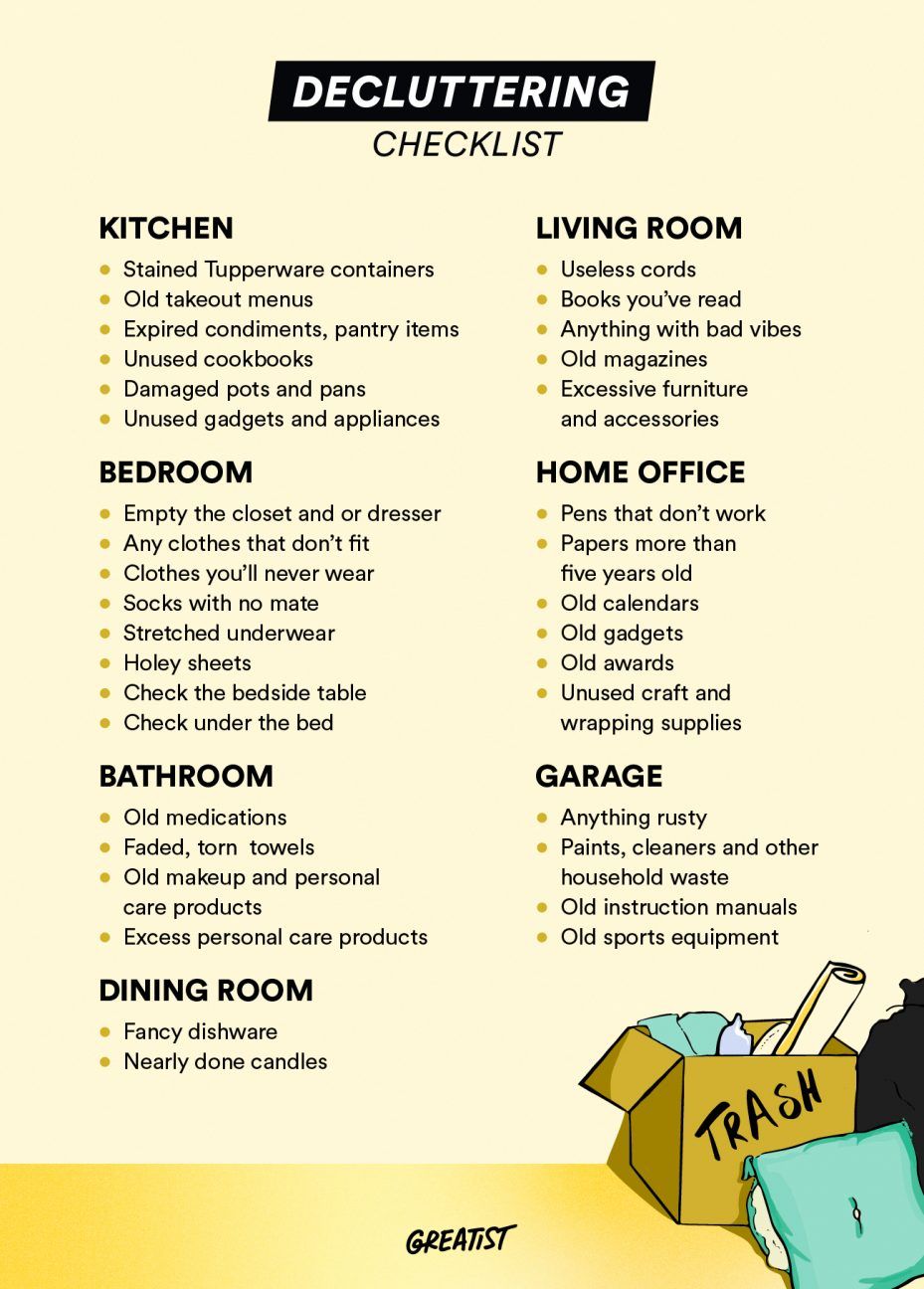
Tackling one room at a time prevents the process from becoming chaotic. Completing a single space provides visible progress and motivation.
Recommended Room Order
| Room | Focus Area | Average Time |
|---|---|---|
| Living Room | Drawers, cabinets | 3–4 hours |
| Bedroom | Wardrobes, bedside units | 4–5 hours |
| Kitchen | Paper stacks, manuals | 5–6 hours |
| Study/Home Office | Filing cabinets | 6–8 hours |
Always finish one room fully before moving on.
Sorting Stations and Inventory Tracking
Set up four clearly labelled stations:
- Keep
- Donate
- Recycle
- Secure Disposal
Maintain a simple inventory list for items you keep or intend to sell. This is especially useful for estate administration and insurance documentation.
Dealing With Sentimental Paper Items
Digitising Photos and Important Papers
Scanning documents and photographs reduces physical storage needs while preserving memories. Digital copies can be shared with family members and stored securely in cloud services.
This approach is particularly useful for fragile or deteriorating originals.
Managing Heirlooms and Personal Letters
For emotionally difficult items, photographing them before letting go can help ease the decision. Consider creating a single memory box containing the most meaningful pieces rather than keeping everything.
Sustainable Disposal and Recycling in London
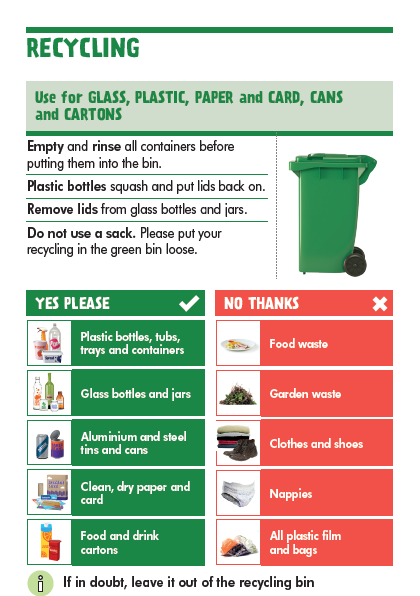
London provides extensive recycling infrastructure for responsible disposal.
Recycling and Disposal Options
| Method | Suitable For | Cost |
|---|---|---|
| Kerbside Recycling | Paper, cardboard | Free |
| Recycling Centres | Mixed paper loads | Free |
| Secure Shredding | Sensitive documents | Low cost |
| Bulky Waste Services | Large items | Small fee |
Sensitive paperwork should always be shredded to protect personal data.
Selling and Donating Valuable Paper Items
Some documents and collections hold monetary or historical value. Old photographs, postcards, or rare documents may interest collectors or archivists.
For general donations, charities such as British Heart Foundation, Cancer Research UK, and Oxfam accept certain paper goods and memorabilia. Always check acceptance guidelines before donating.
UK Document Retention Guidelines
Understanding how long documents should be kept simplifies decision-making.
| Document Type | Retention Period |
|---|---|
| Tax Records | 6 years |
| Bank Statements | 6 years |
| Property Deeds | Indefinitely |
| Utility Bills | 1 year |
| Identification | Until replaced |
After retention periods expire, use secure disposal methods.
When Professional House Clearance Services Help
Large properties, tight deadlines, or emotionally sensitive situations often benefit from professional assistance. Clearance teams handle heavy lifting, recycling logistics, and structured sorting efficiently.
Before professionals arrive:
- Remove items you wish to keep
- Separate important documents
- Provide clear instructions
This ensures the service aligns with your goals while respecting personal belongings.
Conclusion
Managing house clearance paperwork in old London homes is as much an emotional journey as a practical one. With a clear structure, realistic expectations, and responsible disposal methods, even decades of accumulated documents can be handled successfully.
The reward is more than cleared space. It is peace of mind, preserved memories, and a fresh beginning for the property. By applying the strategies in this guide, you transform a daunting task into a meaningful achievement that benefits both your wellbeing and the environment.