Renovation activity across major cities is reshaping how urban waste is created, sorted, and managed. As homes, offices, and heritage buildings are upgraded, the materials left behind place growing pressure on local disposal systems. Understanding how renovation trends city waste patterns develop helps homeowners, contractors, and policymakers make more responsible decisions.

Across London, space constraints, strict regulations, and sustainability targets mean renovation debris can no longer be treated as an afterthought. From loft conversions to energy-efficient retrofits, modern improvement projects generate a wider variety of materials than ever before—each requiring specific handling and disposal methods.
This in-depth guide explores how renovation trends influence urban waste streams, what materials are most affected, and how cities are responding through smarter recycling, regulation, and professional clearance strategies.
Key Takeaways
- Renovation trends directly affect the volume and complexity of urban waste
- Modern projects produce mixed materials requiring specialised disposal
- Poor handling increases landfill pressure and environmental harm
- Recycling innovation now diverts most construction debris from landfill
- Professional waste management supports compliance and sustainability
Understanding Renovation Trends and Their Environmental Impact
Urban renovation has shifted from simple cosmetic updates to large-scale structural transformations. These changes influence not only how buildings look, but also how much waste cities must process.
Common Urban Renovation Projects
Popular renovation activities in metropolitan areas include:
- Open-plan conversions removing internal walls
- Loft extensions adding new living space
- Basement excavations in high-density neighbourhoods
- Energy-efficiency upgrades such as insulation and glazing
- Restoration of period and listed properties
Each renovation type produces a distinct waste profile. Structural alterations generate heavy materials like brick, concrete, and soil, while interior upgrades create lighter mixed debris including plasterboard, timber, packaging, and fixtures.
The rise in complex projects has made renovation trends city waste a central issue for urban sustainability planning.
How Renovation Trends Increase City Waste Volumes
The construction sector uses vast quantities of raw materials annually, and a significant portion eventually becomes waste. Urban renovation contributes heavily to this total due to frequent refurbishments rather than single-build developments.
Typical Renovation Waste Materials
Renovation waste commonly includes:
- Bricks, concrete, and rubble
- Timber, MDF, and laminate flooring
- Plasterboard and insulation materials
- Metals such as copper piping and steel
- Glass, plastics, and packaging waste
Demolition-heavy projects generate dense rubble, while refurbishment produces mixed loads that require careful separation. Without proper planning, these materials often end up incorrectly disposed of, increasing landfill use and contamination risks.
Managing Renovation Waste Responsibly in London
Urban renovation requires more than just removing debris quickly. Safe, legal, and environmentally responsible handling is essential to protect both people and the city infrastructure.
Legal Responsibilities for Renovation Waste
Property owners and contractors must ensure waste is:
- Collected by licensed carriers
- Transported with proper documentation
- Disposed of at authorised facilities
Failure to comply can result in fines and project delays. Professional waste services assess materials on-site and recommend appropriate handling routes for each waste stream.
Safety and Efficiency on Active Worksites
Effective waste management improves more than compliance—it enhances safety and productivity.
Benefits include:
- Reduced trip hazards and obstruction
- Cleaner, organised work areas
- Faster workflow between renovation stages
- Minimal disruption to neighbouring properties
In congested urban streets, flexible collection scheduling and smaller vehicles help maintain access without blocking traffic or breaching parking restrictions.
Innovative Recycling Strategies for Construction Waste
Recycling technology has advanced rapidly, enabling higher recovery rates from renovation debris than ever before.
How Renovation Materials Are Recycled
Different materials require specialised processing:
- Concrete & brick: Crushed into aggregate for new builds
- Metals: Melted and reformed for reuse
- Timber: Recycled into boards or biomass fuel
- Glass: Processed for construction and packaging use
- Plasterboard: Separated into gypsum and paper components
Many facilities now recover over 90% of materials from renovation waste loads, significantly reducing landfill dependency.
Digital Innovation in Waste Tracking and Compliance
Technology plays a growing role in managing renovation trends city waste efficiently.
Modern systems include:
- Digital waste transfer notes
- Real-time load tracking
- Optimised collection routes
- Automated compliance records
These tools improve transparency and support sustainability reporting for larger renovation projects and commercial developments.
Benefits of Professional Waste Removal Services
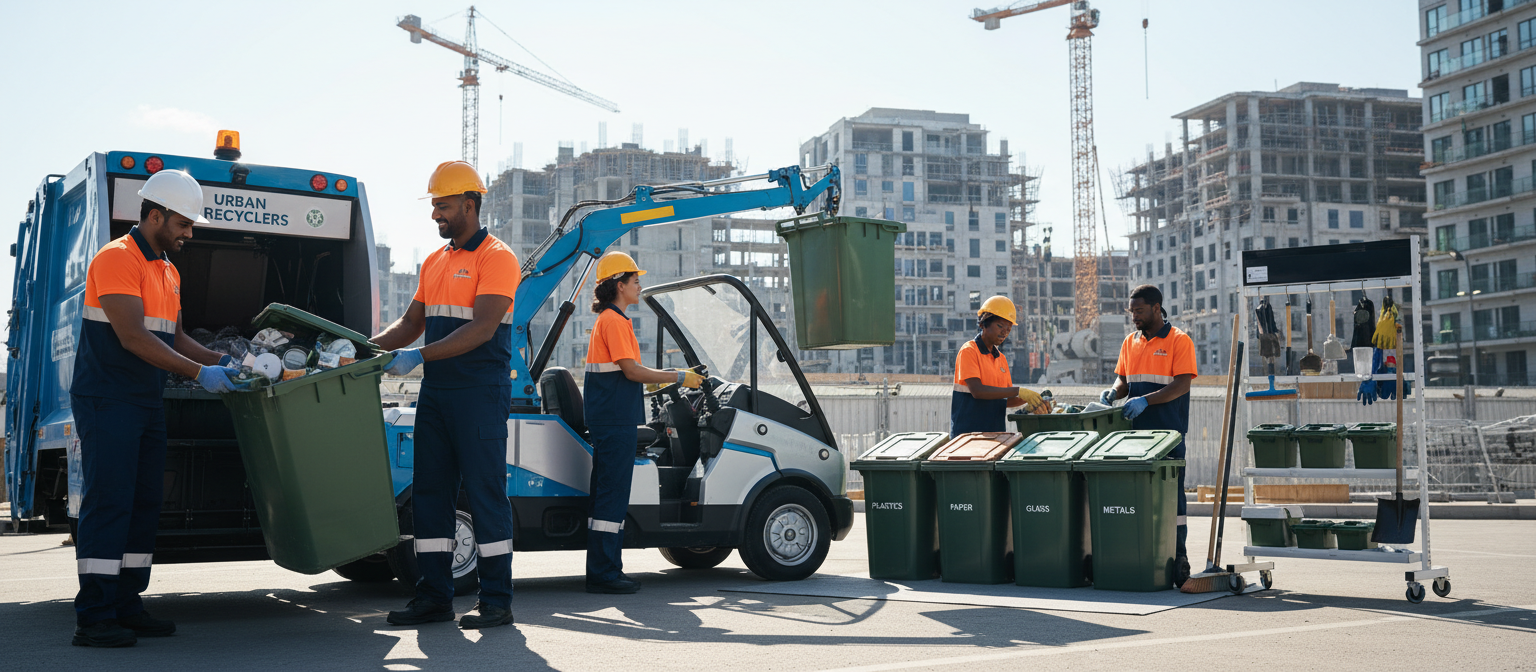
Engaging specialist waste clearance teams simplifies renovation cleanup and ensures best practices are followed throughout the project lifecycle.
Service Options and Typical Load Sizes
| Load Size | Approx. Weight | Typical Use Case |
|---|---|---|
| Small | Up to 250kg | Bathroom or kitchen refits |
| Medium | 250–500kg | Interior refurbishments |
| Large | 500–1,000kg | Structural alterations |
| Full Load | 1,000kg+ | Major renovations or demolitions |
Professional teams handle lifting, loading, sorting, and documentation, allowing builders to focus on construction rather than logistics.
Cost and Time Efficiency for Builders
Professional clearance reduces overall project costs by:
- Avoiding multiple disposal trips
- Preventing regulatory penalties
- Reducing downtime between renovation phases
- Improving recycling rebates
Smaller collection vehicles are particularly effective in city centres, navigating narrow streets and limited access points more easily than skips or lorries.
Eco-Friendly Renovation Waste Solutions

Sustainability is now a key consideration for urban renovations. Responsible waste handling supports broader environmental goals and client expectations.
Sustainable Practices in Urban Renovation
Eco-focused services prioritise:
- On-site waste separation
- Dedicated recycling streams
- Minimal landfill use
- Resource recovery over disposal
These methods align with circular economy principles and contribute to reduced carbon emissions.
For further reading on sustainable construction practices, see the guidance from the UK Green Building Council
Environmental and Professional Advantages
Adopting sustainable waste strategies offers multiple benefits:
- Lower environmental impact
- Improved reputation for builders and developers
- Easier compliance with green building standards
- Support for certifications such as BREEAM
Clients increasingly expect renovation projects to demonstrate environmental responsibility, making proper waste management a competitive advantage.
Planning Renovation Waste Before You Start
Effective waste handling begins before construction work starts.
Practical Planning Tips
- Estimate waste volumes early
- Identify material types by renovation stage
- Schedule collections to match workflow
- Allocate space for temporary sorting
- Choose licensed, experienced providers
Early planning reduces costs, avoids delays, and ensures smoother project execution.
For additional insights into household and renovation waste handling, see this internal guide.
Conclusion
Urban renovation is transforming how cities manage waste. As renovation trends continue to evolve, the complexity and volume of materials left behind demand smarter solutions. Understanding renovation trends city waste patterns allows homeowners and builders to plan responsibly, protect the environment, and stay compliant.
Professional waste removal and modern recycling technologies make it possible to complete renovation projects efficiently while minimising environmental impact. With the right planning and expertise, renovation cleanup becomes a seamless part of sustainable urban development.
Making informed choices today helps build cleaner, safer cities for the future.