Food waste at Christmas UK households generate rises sharply during the festive season, when generosity at the table quietly turns into excess. Extra tins sit untouched, oversized roasts linger in the fridge, and party platters are forgotten once the decorations come down. As a result, Christmas creates one of the biggest spikes in household rubbish of the entire year.
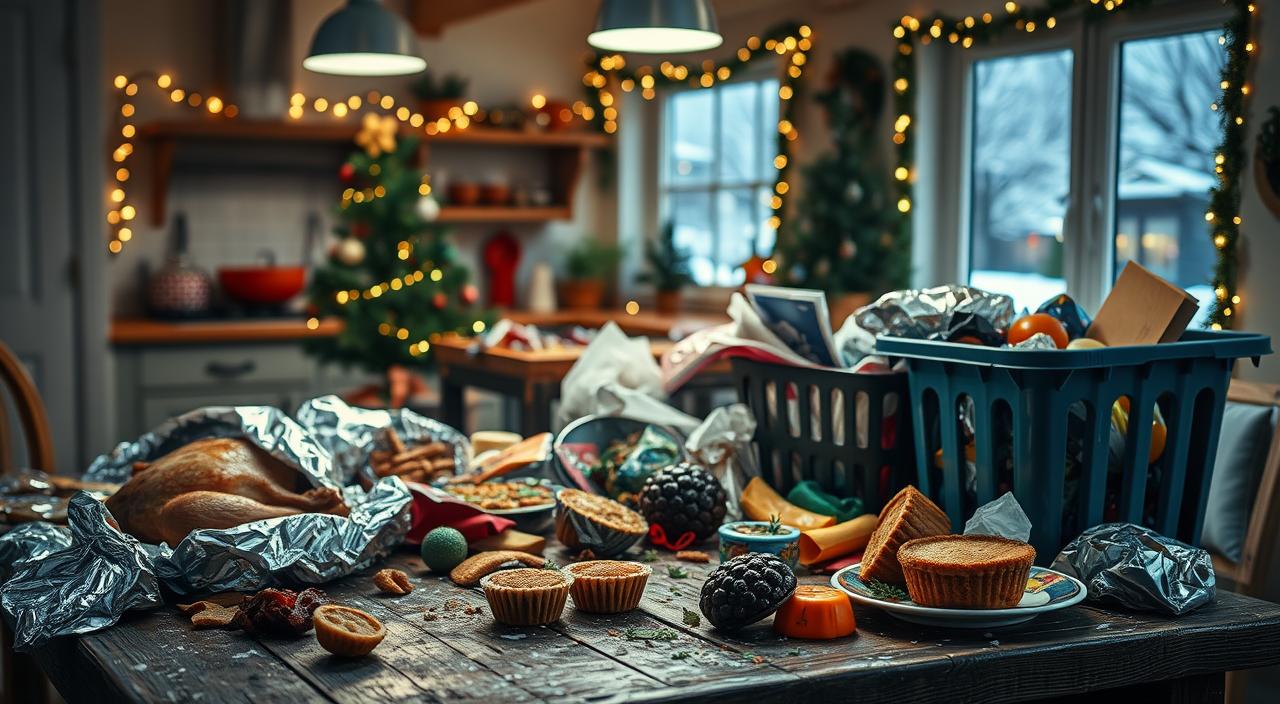
This guide takes a practical, no-guilt approach. You don’t need to cancel traditions or serve joyless meals. Instead, a few smarter choices help you keep the sparkle while cutting the biggest contributors to festive rubbish. These tips work just as well for families, flatshares and smaller households.
You’ll learn how to plan meals realistically, shop with purpose, cook and store food safely, reuse leftovers creatively, share surplus locally, and use your food waste caddy properly. Together, these steps reduce landfill, save money and turn unavoidable scraps into renewable energy.
Key Takeaways
- Small planning choices can cut a large share of seasonal rubbish
- Better storage keeps food edible for longer after Christmas Day
- Using food waste collections reduces landfill methane emissions
- Leftovers feel enjoyable when they are planned, not accidental
- Festive habits can deliver benefits that last all year
Why the festive period creates so much rubbish — and why it matters
Christmas brings together several factors that naturally increase waste. More meals are cooked, more people gather, and routines change. In addition, supermarkets promote bulk buying and “just in case” shopping, which encourages over-purchasing.
Across the UK, household waste rises by around 30% during the festive season. That increase doesn’t come from peelings alone. Much of it is perfectly edible food that never reaches a plate.
This seasonal surge explains why food waste at Christmas UK levels are consistently higher than at any other time of year.
How food scraps become an environmental problem
When leftovers are thrown into general bins, they often end up in landfill. There, food breaks down without oxygen and releases methane — a greenhouse gas far more potent than carbon dioxide in the short term.
In contrast, food waste collected separately can be processed through anaerobic digestion. This method creates renewable energy and nutrient-rich biofertiliser instead of harmful emissions.
A few days with an outsized impact
Just three days — Christmas Eve, Christmas Day and Boxing Day — contribute close to 6% of the UK’s annual carbon footprint. That figure highlights how powerful small, short-term actions can be when multiplied across millions of homes.
The biggest Christmas food waste facts to know
Understanding the scale of festive waste makes it easier to see why small changes matter.
Every year, around 42 million plates of food are thrown away during the Christmas period. These are full meals, not just trimmings.
Certain foods appear again and again in waste reports:
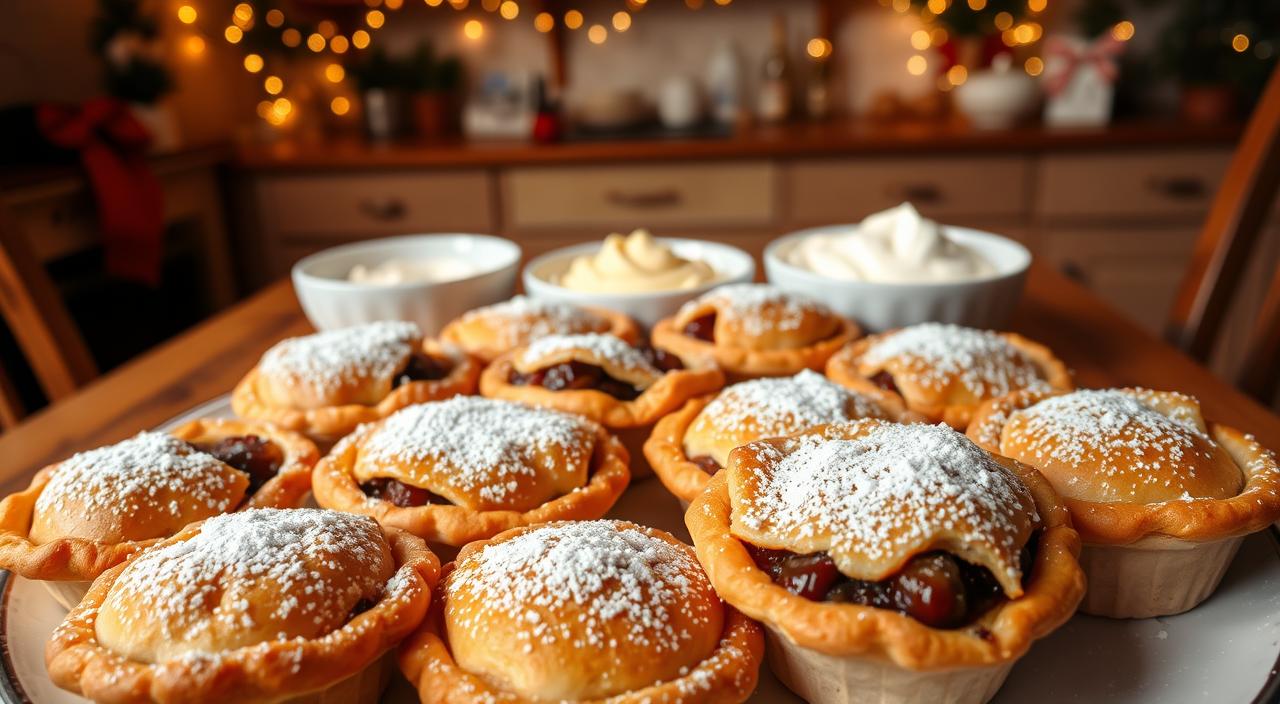
- Around 7.5 million mince pies go uneaten
- Roughly 17.2 million Brussels sprouts are bought but not enjoyed
- Close to 740,000 portions of Christmas pudding are discarded
Turkey also plays a major role. While around 10 million turkeys are purchased each season, many are only partly eaten. In fact, hundreds of thousands of birds are thrown away entirely due to over-buying or poor storage.
In total, an estimated 230,000 tonnes of food are wasted over the festive season — costing households money while placing unnecessary strain on the environment.
Many of these figures are supported by national research and reports, according to UK food waste statistics published by WRAP.
Common festive food waste at a glance
| Item | Scale of waste | Why it happens |
|---|---|---|
| Full meals | 42 million plates | Over-catering and large portions |
| Mince pies | 7.5 million | Bulk offers and impulse buying |
| Sprouts | 17.2 million | Bought out of tradition |
| Turkey | 263,000 birds | Oversized joints and uncertainty |
Plan your festive meals without losing the magic
Ten minutes of planning can prevent days of regret. Planning doesn’t mean rigid rules — it simply gives you clarity before shopping.
Start with a realistic guest list
Confirm who is definitely attending and separate firm guests from maybes. Planning for confirmed numbers first avoids unnecessary over-catering.
Plan by days, not just by meal
Think about how many days you’ll realistically cook, eat leftovers or dine out. That approach helps you buy for the whole period rather than over-loading Christmas Day alone.
Take stock before shopping
A quick fridge, freezer and cupboard check often reveals forgotten sauces, frozen veg or unopened treats. Taking photos before shopping can prevent duplicate purchases.
Create a “use-first” plan
Identify items that are already open or close to their date. Decide early how they’ll be used — whether frozen, cooked first or turned into leftovers.
| Planning step | Why it helps |
|---|---|
| Confirm guests | Prevents excess portions |
| Inventory check | Avoids duplicate buying |
| Use-first list | Stops items being forgotten |
Shop smarter and resist festive overbuying
Seasonal promotions can feel reassuring, yet they often create more waste than savings. Around two-thirds of shoppers admit to overbuying at Christmas, largely due to multibuy offers.
Choose loose produce and smaller packs
Loose vegetables and right-sized packs allow you to buy only what you need. This also reduces unnecessary packaging.
Remember shops reopen quickly
Most supermarkets reopen between Christmas and New Year. Topping up later is often better than stockpiling now.
Treat your freezer as backup, not overflow
Freezer space is valuable. Plan what will actually be frozen and eaten, rather than assuming everything will “fit somehow”.
Cook less, enjoy more on Christmas Day
A calmer table usually leads to cleaner plates. Smaller, well-timed dishes keep guests comfortable and reduce waste.
Skip foods nobody enjoys
If your household doesn’t like sprouts, leave them out. Millions are thrown away every year simply because tradition dictates their presence.
Right-size your main dish
Large birds suit large gatherings. Smaller households often benefit from crowns, joints or alternative mains that portion more easily.
| Main option | Best for | Waste risk |
|---|---|---|
| Whole turkey | Big gatherings | High if guests cancel |
| Turkey crown | Small families | Moderate |
| Small joint | Couples | Low |
Serve smaller first portions
Guests can always return for seconds. Starting small reduces plate waste and improves appetite pacing.
Save festive favourites from the bin

Certain Christmas foods are especially vulnerable to being wasted after the celebrations.
Mince pies
Once cooled, store them airtight or freeze extras early. A brief oven refresh brings back flavour and texture.
Christmas pudding
Leftover pudding works well sliced and fried, crumbled into desserts or layered into trifle. Reinvention prevents boredom.
Cheese
Wrap cheese in baking paper, then foil, and store in the warmest fridge drawer. Hard cheeses can be trimmed if mould appears; soft cheeses should be used sooner.
| Food | Risk | Solution |
|---|---|---|
| Mince pies | Bulk buying | Freeze early |
| Pudding | Portion leftovers | Reinvent desserts |
| Cheese | Poor wrapping | Paper then foil |
Turn leftovers into meals people actually want
Leftovers succeed when they feel intentional.
Change flavours to keep interest high. Turkey works well in curries, pies, soups and risottos. Vegetables can be transformed into fritters, traybakes or bubble and squeak.
Always cool cooked food quickly, refrigerate within two hours, and reheat thoroughly for safety.
Freeze, label and store with confidence
Good storage habits dramatically reduce waste in the days after Christmas.
- Keep ready-to-eat items on higher fridge shelves
- Portion leftovers into meal-sized containers
- Label contents and dates clearly
- Maintain a simple freezer list
Understanding the difference between use-by and best-before dates also helps. Use-by relates to safety, while best-before refers to quality.
Share surplus locally
Giving away what you won’t use keeps food moving and helps others.
Food banks welcome unopened, in-date items, while community fridges can accept perishable surplus. Even small neighbourly sharing reduces waste and strengthens local ties.
Use your food waste caddy to turn scraps into energy
Some scraps are unavoidable. The goal is to dispose of them responsibly.
Food caddies accept plate scrapings, peelings, bones, tea bags and coffee grounds. These are processed through anaerobic digestion to produce renewable energy and fertiliser.
One full caddy can generate enough electricity to power a TV for two hours or a fridge for eight.
Don’t forget packaging waste
Packaging often fills several black bags per household during Christmas. Much of it is recyclable but binned incorrectly.
Choose plain wrapping paper, reuse gift bags and boxes, and rinse containers before recycling. A simple kitchen sorting station makes this easy.
Conclusion
Reducing festive rubbish doesn’t mean reducing enjoyment. A few thoughtful choices — planning realistically, shopping with intent, storing food well and using food waste collections — can cut a large share of what ends up in the bin.
The numbers behind food waste at Christmas UK are striking, yet the solutions remain simple and realistic for most households. When households act together, even small changes prevent thousands of tonnes of edible food from being wasted.
This Christmas, aim for progress, not perfection. Enjoy the food you love, share what you don’t need, and let good habits carry forward into the year ahead.