Landfill Tax 2026 brings a confirmed increase in UK disposal costs from 1 April 2026, with the standard rate rising to £130.75 per tonne and the lower rate set at £8.65 per tonne. While the figures may look incremental, their financial impact grows rapidly on projects handling high waste volumes.
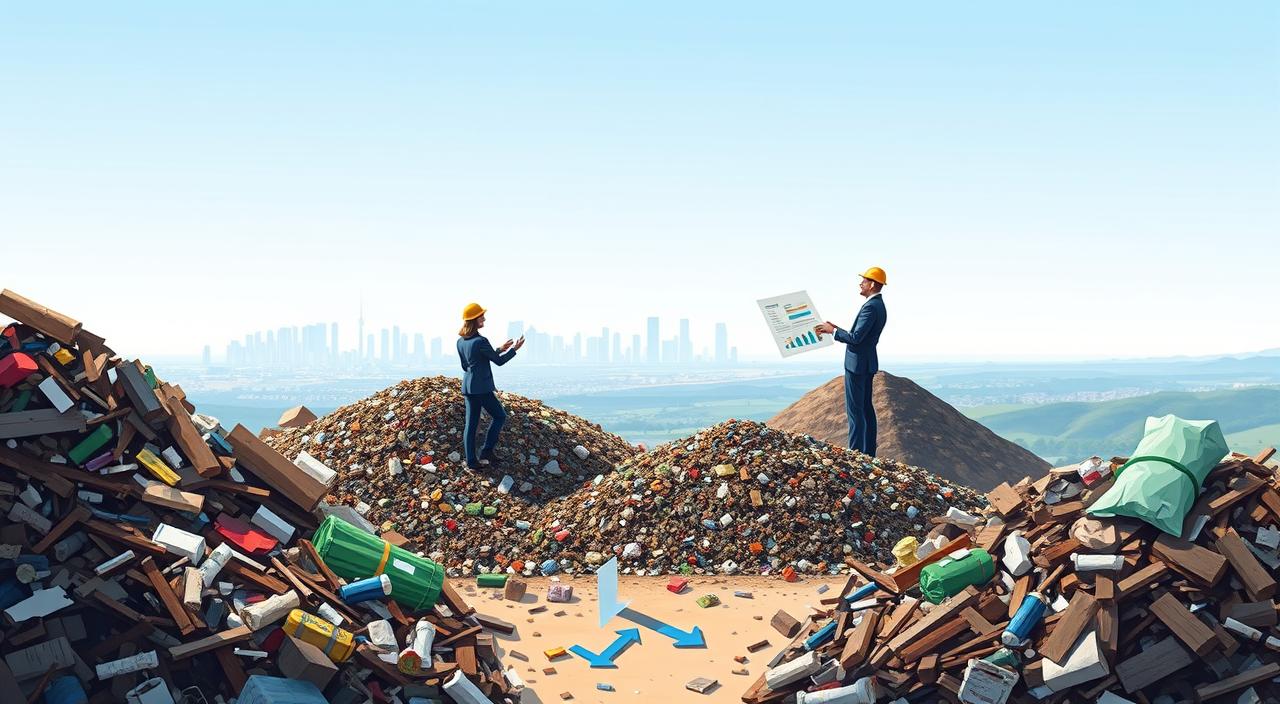
From construction and infrastructure to quarrying and remediation, landfill charges already form a major part of disposal spend. Because the tax is applied on top of gate fees and haulage, even small rate movements can significantly affect project budgets, tender pricing, and long-term commercial viability.
This practical, news-led guide explains what has been confirmed, which proposals were dropped, and which reforms remain under consideration. It also sets out clear steps businesses can take now to reduce exposure through correct classification, diversion strategies, and smarter logistics planning.
Key Takeaways
- The confirmed rates are £130.75 (standard) and £8.65 (lower) per tonne from April 2026
- High-volume sectors such as construction and infrastructure face the greatest cost pressure
- Landfill tax is charged in addition to gate fees and transport costs
- Correct classification and diversion strategies significantly reduce exposure
- Compliance checks will intensify even though radical reform proposals were dropped
What Is Changing in UK Landfill Tax in 2026?
The core structure of landfill taxation remains intact. The government has confirmed that the two-rate system will continue, rather than moving to a single flat rate.
Confirmed Rates from 1 April 2026
- Standard rate: £130.75 per tonne
- Lower rate: £8.65 per tonne
These figures apply in England and Northern Ireland, with devolved administrations setting equivalent rates elsewhere. While the difference between the two bands remains wide, accessing the lower rate depends entirely on accurate classification and supporting evidence.
For projects moving tens of thousands of tonnes, the difference between rates can determine whether a scheme stays within budget or overruns.
How Landfill Tax Works in Practice

The standard rate applies to most non-hazardous waste streams, including mixed construction waste and contaminated materials. By contrast, the lower rate applies only to qualifying inert or inactive materials such as uncontaminated soils, stones, and concrete.
However, classification is not discretionary. Operators must demonstrate eligibility through:
- Correct waste codes
- Sampling and testing
- Clear transfer documentation
- Traceable disposal routes
Errors or weak evidence can result in retrospective tax charges, penalties, and interest.
For official guidance, see HMRC landfill tax rules.
Why the Government Increased the Rates
The 2026 rise aligns with inflationary adjustments and the government’s broader environmental objectives. The intention remains clear: reduce reliance on landfill and push more waste up the hierarchy toward reuse, recovery, and recycling.
During consultation, the government explored more radical changes, including a single landfill tax rate by 2030. That proposal met significant resistance from industry and was ultimately dropped following 383 formal responses.
Instead, the focus has shifted toward targeted reform and compliance tightening, rather than structural overhaul.
Consultation Outcome and Compliance Direction
Industry feedback highlighted the operational risks of oversimplification. In response, policymakers retained the existing framework while committing to:
- Modernising guidance on qualifying materials
- Tightening enforcement against misdescription
- Improving clarity around exemptions
The message is clear: while the structure stays familiar, scrutiny will increase. Businesses should expect more detailed reviews of paperwork, sampling data, and waste movements.
Which Sectors Face the Highest Exposure?
Some industries feel landfill tax increases more sharply than others. The common factor is volume.
Construction and Groundworks
Large excavation projects generate significant tonnage. Even where materials appear inert, geotechnical constraints or contamination thresholds often prevent reuse.
As a result, per-tonne charges multiply quickly, particularly on long programmes with phased disposal.
Brownfield Regeneration
Redevelopment sites face additional challenges. Contamination, time pressure, and limited reuse opportunities often push waste toward disposal routes.
Rising landfill costs can affect scheme viability, sometimes tipping the balance between brownfield and greenfield development.
Quarry Operations and Aggregates
Quarries rely on backfilling and restoration routes. Disposal pricing influences:
- Restoration costs
- Aggregates supply economics
- Downstream material pricing
Changes here can ripple across the wider construction supply chain.
Housebuilding and Infrastructure
Large-scale developments combine high volumes with tight margins. Increased disposal and logistics costs add inflationary pressure, forcing higher contingencies and careful sequencing.
Sector Exposure Overview
| Sector | Key Materials | Main Risk | Practical Action |
|---|---|---|---|
| Construction & groundworks | Excavated soils, arisings | Cost escalation | Early classification, onsite reuse |
| Brownfield regeneration | Contaminated made ground | Viability pressure | Plan remediation routes |
| Quarry & aggregates | Overburden, fill | Restoration cost rise | Secure long-term contracts |
| Infrastructure | Mixed site waste | Budget inflation | Reforecast and add contingencies |
Exemptions, Qualifying Fines, and Ongoing Reforms
While headline rates dominate discussion, exemptions and reliefs often determine real-world costs.
Qualifying Fines: What Modernisation Means
The qualifying fines regime allows certain restoration materials to avoid landfill tax. It remains in place but will be more tightly defined.
Expect:
- Clearer material specifications
- Higher sampling standards
- Stronger evidence requirements
Operators relying on this route should stress-test procedures now rather than wait for audits.
Quarry Filling and Biodiversity Commitments
Quarry filling exemptions remain, following strong representations about their role in habitat restoration and biodiversity gains.
However, guidance will tighten to prevent misuse, making documentation and restoration plans increasingly important.
Dredged Material and Stabilisers
From April 2027, the stabilisers exemption for dredged material will end. Operators using additives to treat dredgings must reassess how added materials affect tax liability.
Enforcement and Unauthorised Sites
Although the unauthorised site rate does not increase, enforcement activity will. Expect closer inspection of site permits, descriptions, and duty-of-care compliance.
Reform Status Summary
| Area | Change | Impact | Recommended Action |
|---|---|---|---|
| Qualifying fines | Definitions tightened | Higher evidence burden | Improve testing and records |
| Quarry filling | Exemption retained | Continued restoration | Document biodiversity plans |
| Dredged material | Exemption ends 2027 | Higher future costs | Review treatment methods |
| Enforcement | Increased scrutiny | Compliance risk | Strengthen audits |
What Businesses Should Do Now
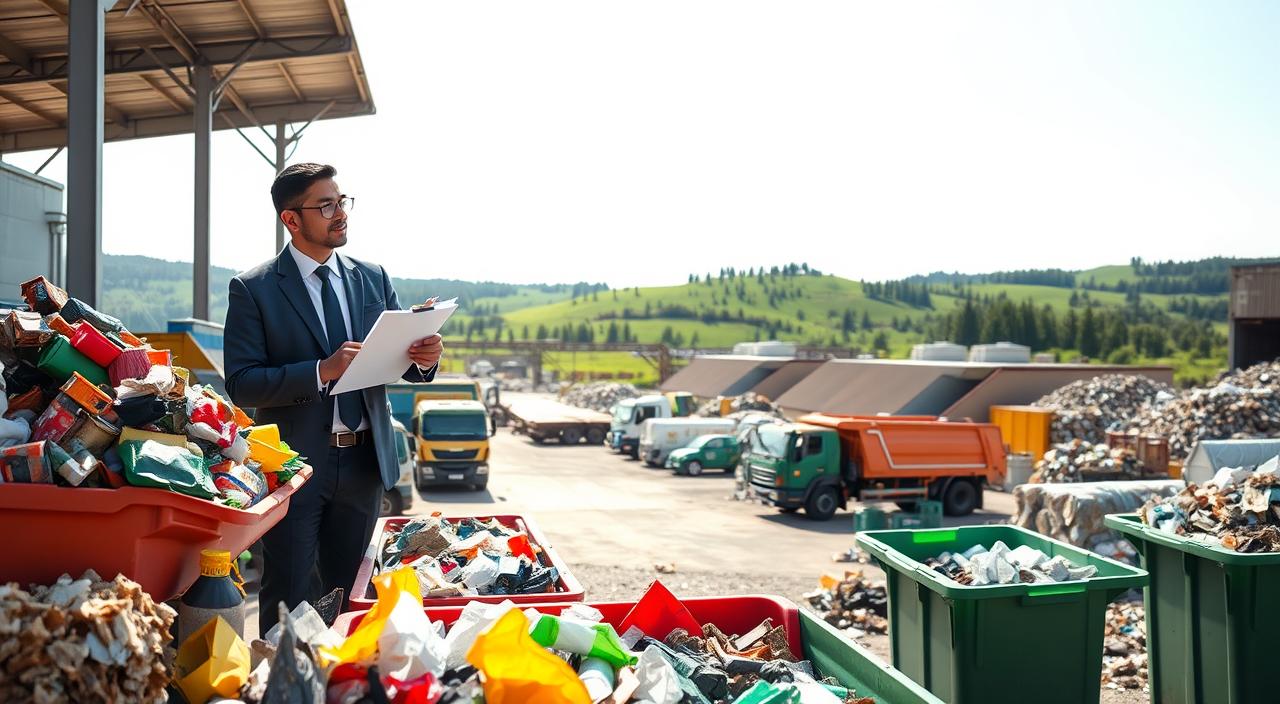
Preparation, rather than reaction, is the best defence against rising disposal costs.
Reforecast with Confirmed Rates
Update budgets using the confirmed per-tonne figures. Separate landfill tax from gate fees and transport so cost drivers remain visible.
Review Commercial Contracts
Check indexation clauses and change-control mechanisms. Clear wording prevents disputes when costs rise mid-programme.
Strengthen Classification and Records
Accurate waste coding, robust sampling, and full traceability reduce the risk of misdescription penalties.
Prioritise Diversion from Landfill
Treatment, recovery, and recycling routes reduce taxable tonnage. Even partial diversion delivers measurable savings.
Plan Logistics Early
Capacity constraints, longer haul distances, and emissions trade-offs all affect cost. Mapping nearby facilities early avoids last-minute premium pricing.
Conclusion
The confirmed landfill tax rise for 2026 sets a higher baseline for disposal costs across the UK. For high-volume projects, the impact is immediate and material.
Although the government dropped proposals for a single flat rate, the direction of travel remains clear. Compliance expectations will rise, and operators relying on weak classification or informal practices face growing risk.
Landfill should increasingly be a last resort. By reforecasting budgets, tightening documentation, securing diversion routes, and monitoring policy updates, businesses can protect margins and remain competitive as the system evolves.
Regular review and early action will make the difference between absorbing cost shocks and managing them strategically.