Many people in Britain want to do their bit for the planet. They carefully rinse jars and flatten boxes. Yet, a lot of what gets put out for collection still ends up buried in the ground.
Research from the British Science Association shows a big gap. People are willing, but they often don’t know the basic rules for sorting household rubbish. This confusion means tonnes of useful stuff is lost to landfill every year.
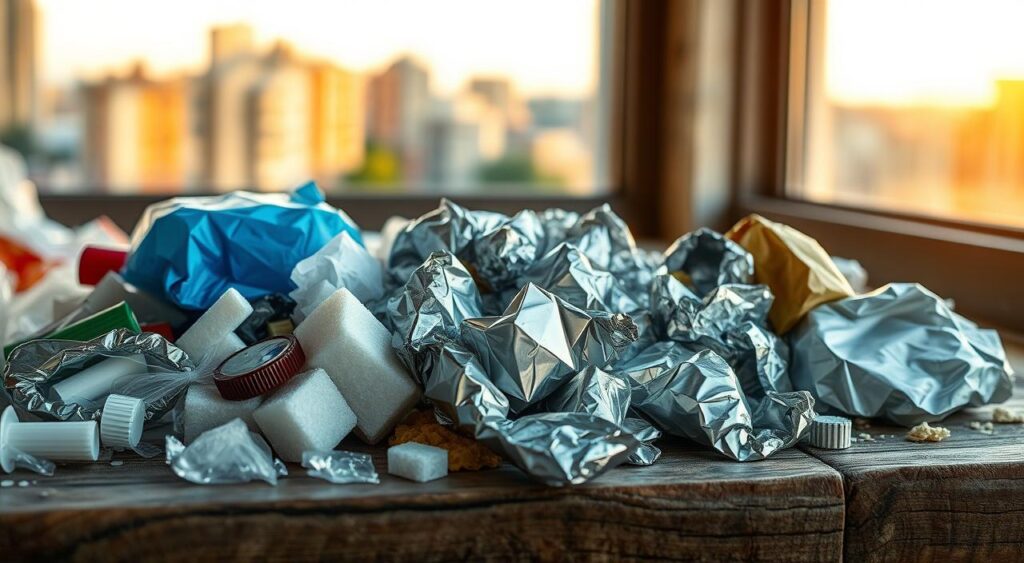
Part of the problem is inconsistency. Your local council sets its own rules on what it can take. What goes in the green bin in one town might need a special trip in another. This patchwork system makes it hard for households to get it right.
Getting it right matters. Putting the wrong item in your recycling can contaminate a whole lorry load. This wastes everyone’s effort and costs money to fix. Understanding what your local facility can actually process is the first step to making a real difference.
Key Takeaways
- Public willingness to recycle is high, but knowledge of sorting rules is often lacking.
- Widespread confusion leads to significant amounts of potentially recyclable waste going to landfill.
- Rules vary between local councils, creating a complex system for households to navigate.
- Contamination from incorrect items can ruin entire batches of recycling.
- Knowing what your local service accepts is crucial for effective waste reduction.
- Proper disposal habits help ensure processing facilities run efficiently.
- Clearing up common misconceptions can dramatically improve your recycling impact.
Understanding Recycling in the United Kingdom
While the green circular arrow is a universal symbol, its meaning can change depending on which street you live on in Britain. This is because waste services are managed at a local level. Your experience is shaped directly by the decisions made in your town hall.
The Recycling Process and Local Schemes
After your bin is emptied, the contents travel to a specialised facility. Here, items are sorted and prepared for reprocessing. The rules for what can be included in this collection are set by your local council.
These councils make independent decisions based on their budgets and infrastructure. This leads to a patchwork of different schemes across the country. A plastic tub accepted in one borough might be rejected in the next.
Council Responsibilities in Waste Management
Each council is responsible for providing clear guidelines to households. Effective communication is key to a smooth system. When residents understand the rules, contamination rates drop.
Contamination remains a major challenge for the entire process. Putting the wrong item in your bin can spoil a whole lorry load. Following your specific council’s advice is the best way to support efficient recycling.
Common Misconceptions about Recyclable Items
A surprising number of common household objects are not suitable for the standard collection, despite widespread belief. This confusion stems from the complex makeup of modern packaging and well-intentioned guesses.
Misplaced Assumptions on Everyday Waste
People often assume an item is recyclable if it looks like paper, plastic, or glass. The reality is more technical. Many products are made from blended materials or are contaminated by food, which makes them unsuitable.
Putting these wrong items in your bin causes big problems at the sorting facility. It can lead to entire batches being rejected.
Examples of Items Often Thought Recyclable
Research highlights specific objects that frequently cause confusion. These should typically go in your general waste bin unless your council says otherwise.
- Coffee cups: The plastic lining cannot be easily separated from the paper.
- Crisp packets: These are made from multiple layers of plastic and metal film.
- Used pizza boxes and tissues: Grease and food residue make paper non-recyclable.
- Plastic toys and mirrors: These are not the type of plastic or glass accepted for recycling.
- Drinking glasses and pet food pouches: Their special composition differs from standard bottle glass and plastic.
- Shiny or plastic-based gift wrap, hand soap pumps, and nail varnish bottles.
Checking your local guidelines for these items is the best way to avoid mistakes.
Non Recyclable Materials UK: What You Need to Know
Your kitchen and bathroom likely contain several things that cannot be processed through your council’s standard collection. These everyday products are made in ways that prevent them from being sorted and reprocessed at local facilities.
Everyday Items Not Accepted in the Recycling Bin
Toothpaste tubes are a prime example. They are made from layers of different plastic and metal, which standard plants cannot separate. Similarly, shop receipts are often coated with chemicals.
This makes them unsuitable for paper recycling. Polystyrene cups and takeaway trays are other common items. Most councils do not collect them for recycling.
Specialised Materials and Recycling Challenges
Other household items pose different problems. Old pots and pans often have special coatings. These coatings contaminate the metal recycling stream if placed in your bin.
Even small stickers are complex. They combine paper, adhesive, and sometimes plastic layers. This mix of materials makes them unrecyclable in domestic systems.
Household Waste: Items That Should Go in the Bin
Effective waste management at home relies on knowing exactly which items belong in your general rubbish bin. This knowledge stops contamination and supports efficient systems.
Putting the wrong thing in your recycling causes big problems. It can spoil entire loads of good material.
Guidance from the British Science Association
The British Science Association gives clear advice. Food-stained paper and card cannot go in with clean paper recycling.
Grease from pizza boxes or butter wrappers ruins the paper fibres. This contamination affects the whole batch.
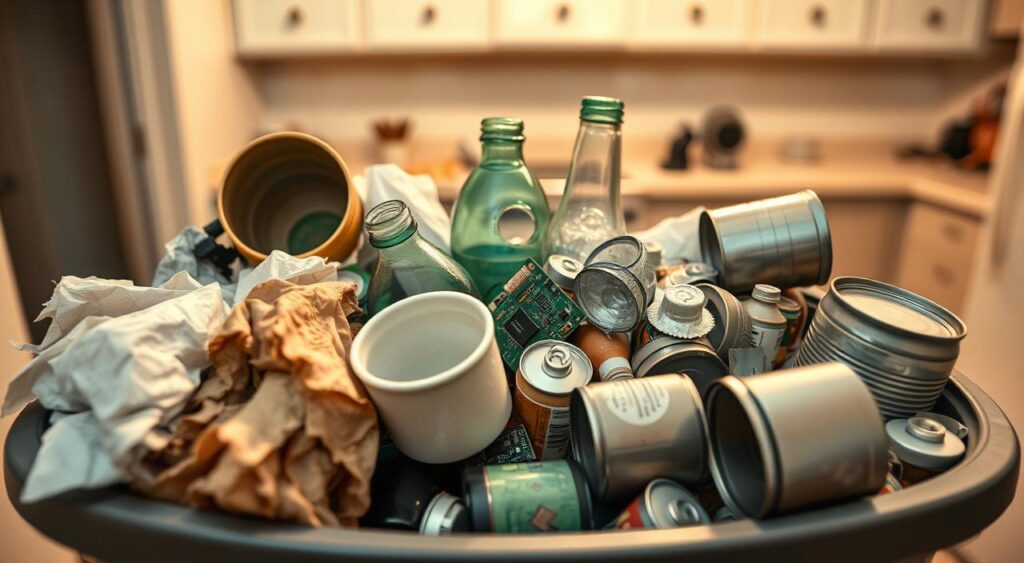
Correct Disposal Techniques to Prevent Contamination
Following specific techniques keeps your recycling clean. Lambeth council suggests a useful goal for households.
Residents should aim for just one bag a week of general waste. This waste goes to an energy-from-waste plant.
Other common items must also go in your black bin. Disposable nappies are not accepted in standard collections.
Pet litter from cats or dogs cannot be composted safely. Used paper towels are soiled and belong in the bin.
| Item | Why It Can’t Be Recycled | Where to Put It |
|---|---|---|
| Food-stained paper & card | Grease contaminates paper fibres | General waste bin |
| Disposable nappies | Made from mixed materials, soiled | Black bin (general waste) |
| Pet litter (cats/dogs) | Contains animal waste, cannot be composted | General waste bin |
| Used paper towels | Soiled, may contain grease or chemicals | General waste bin |
Special Collection Points for Difficult Materials
Beyond the weekly collection, a network of facilities handles tricky waste streams. These services are essential for products your kerbside bin cannot take.
Your local council often provides a household recycling centre. This is the right place for wood, scrap metal, and other bulky items.
Recycling Centres and Drop-off Locations
Many large supermarkets host dedicated points for specific products. You can take plastic bags and film to branches of Tesco or Sainsbury’s.
Brita water filters have collection points in these stores and Robert Dyas. Community RePaint accepts part-used paint tins for reuse.
Preparing Items for Specialised Recycling
Check if items need cleaning or separating before drop-off. This preparation helps the recycling process run smoothly.
Innovative trials are also expanding options. In Bristol, a scheme collects disposable nappies to be processed into road surfacing material.
Using these special points keeps waste out of landfill. It supports a more circular economy for difficult materials.
Innovative Recycling Practices and Aspirational Recycling
The efficiency of our national recycling effort is often undermined by a well-meaning but misguided habit known as ‘aspirational recycling’. This occurs when people place things in their bin hoping they will be processed, even if their local council cannot accept them.
Separating Clean Items from Contaminated Waste
At processing plants, human sorters must manually remove these incorrect items. Their job is to prevent damage to machinery or contamination of the entire batch.
Dirty food packaging is a major issue. Unrinsed milk bottles or greasy containers spoil clean paper and plastic in the collection.
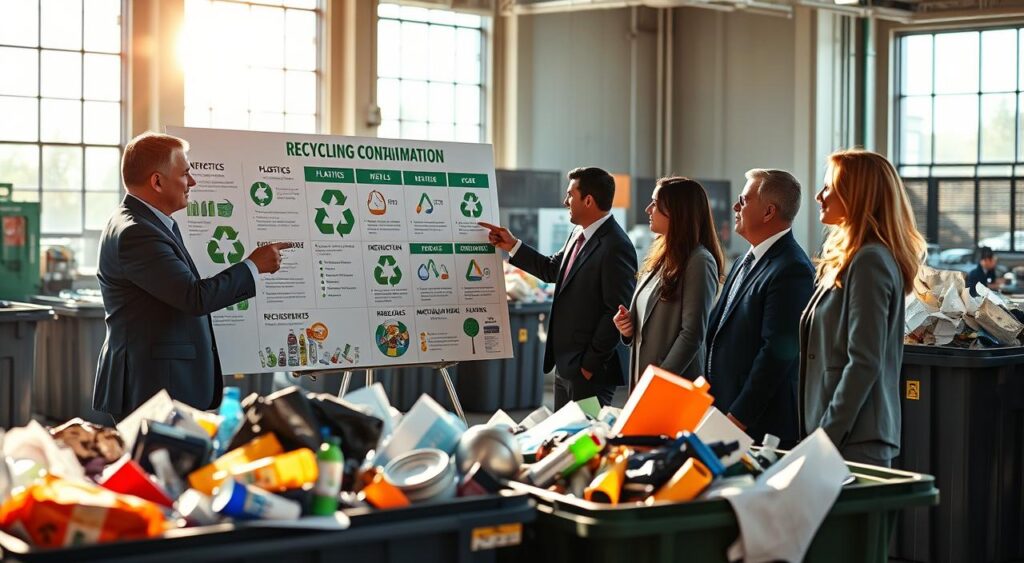
Shredded paper is another problem. The small strips get trapped in sorting equipment. This leads to costly breakdowns at the facility.
How Aspirational Recycling Impacts Processing Efficiency
Every wrong item adds time and cost. It slows down the system and reduces the quality of the final recycled material.
Knowing what your council accepts is crucial. For example, you can test packing peanuts by placing one in water.
If it is starch-based and biodegradable, it will collapse and feel sticky. This simple check stops unsuitable products from entering the household recycling stream.
Tips to Avoid Common Recycling Pitfalls
Avoiding mistakes in your recycling bin doesn’t require a degree, just a bit of local knowledge and organisation. Focus on two key areas: how you sort at home and the specific rules set by your authority.
Organising Your Recycling at Home
Start with a simple sorting system. Keep your bin clean and separate tricky items. For example, Lambeth council partners with getcomposting.com.
They offer low-cost home composting bins for non-meat pet waste. This reduces your general rubbish.
Handle light bulbs carefully. Modern energy-saving bulbs can sometimes be left on top of your bin in a bag for collection.
Old incandescent bulbs must go in the waste bin. Also, many councils provide vouchers for reusable nappies.
Understanding Local Council Guidelines
Your local council website is the ultimate source of truth. Always check their A to Z guide for disposal advice.
Rules for plastic bags and film vary. Many supermarkets host collection points for these products.
Knowing what your council accepts for household recycling prevents contamination. This keeps the recycling collection efficient.
For specific queries, your local council or a recycling centre can offer direct guidance. A quick check online solves most confusion.
Conclusion
Making a real impact with your household waste is simpler than you might think. Improving your habits starts with understanding the rules set by your local council. This ensures your recycling is processed correctly.
Avoid common pitfalls like aspirational recycling. Putting the wrong items in your bin can contaminate whole loads. Remember, many products like plastic bags need specialised drop-off points.
Reducing overall waste is key. Switching to reusable nappies cuts down on disposable ones. Also, keep food residue out of your paper and plastic recycling.
Following these steps helps protect machinery at recycling centres. Your efforts contribute to a more efficient and sustainable system for everyone.