Urban landscapes are constantly evolving. From period property refurbishments to sleek, modern apartment upgrades, renovation has become a defining feature of city life. While these improvements enhance comfort, value, and energy efficiency, they also generate a growing and increasingly complex stream of discarded materials. Understanding how renovation trends shape city waste is essential for homeowners, contractors, and local authorities striving to balance development with environmental responsibility.
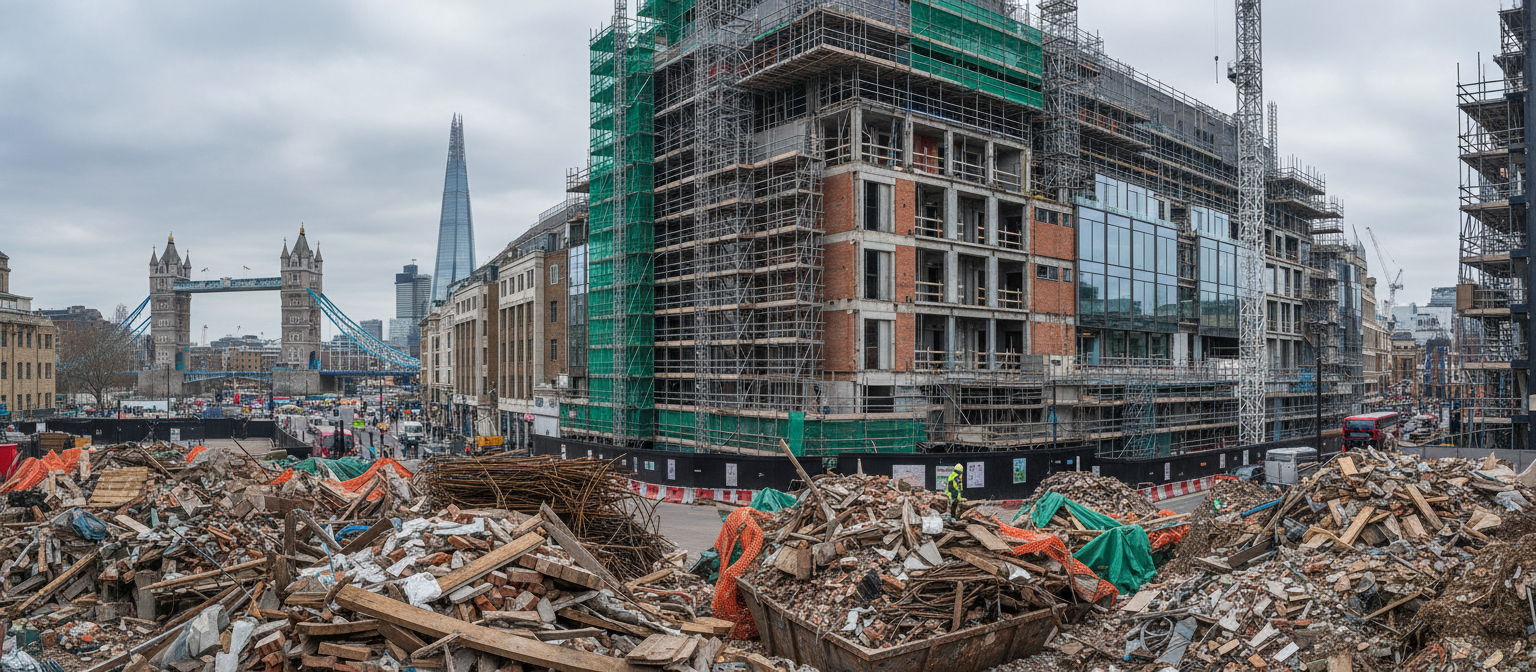
Today’s refurbishment projects are no longer limited to basic repairs. Open-plan redesigns, loft conversions, basement excavations, and eco-retrofits all contribute to rising volumes of construction debris. Each trend introduces new material types, disposal challenges, and opportunities for recycling. This guide explores how modern renovation habits influence urban waste, how cities are adapting, and what responsible disposal looks like in practice.
Key Takeaways
- Modern refurbishment projects significantly influence the volume and composition of urban waste
- Contemporary renovations generate more diverse materials than traditional construction
- Responsible disposal supports environmental sustainability and site safety
- Recycling technologies now recover up to 95% of many construction materials
- Professional waste clearance simplifies compliance and reduces project delays
Understanding Modern Renovation Trends
The Shift Toward Structural and Lifestyle Upgrades
Urban renovations are increasingly focused on lifestyle improvements rather than simple maintenance. Homeowners want flexible spaces, natural light, and energy efficiency. As a result, projects often involve structural alterations rather than surface-level updates.
Common renovation trends include:
- Open-plan conversions removing internal walls
- Loft and attic transformations requiring structural reinforcement
- Basement excavations generating heavy soil and rubble
- Energy-efficient retrofits involving insulation, glazing, and heating upgrades
- Heritage restorations using specialised materials and methods
Each of these trends contributes different waste streams, shaping how city refuse systems must respond.
How These Trends Influence Urban Waste Volumes
Renovation activity directly correlates with waste output. The UK construction sector consumes hundreds of millions of tonnes of raw materials annually, producing over 100 million tonnes of waste. In dense cities, where space is limited and projects are frequent, the impact is particularly noticeable.
Materials commonly generated include timber, plasterboard, concrete, bricks, metal fixtures, plastics, glass, soil, and packaging. Unlike traditional demolition waste, modern refurbishment debris is often mixed and requires careful separation to avoid landfill dependency.
The Environmental Impact of City Renovation Waste
Why Improper Disposal Is a Growing Problem
When renovation debris is poorly managed, it contributes to landfill overflow, illegal dumping, and increased carbon emissions. Mixed waste sent to landfill wastes recoverable resources and accelerates environmental degradation.
Improper handling can also result in:
- Soil and water contamination
- Increased dust and air pollution
- Unsafe working conditions on construction sites
- Legal penalties for non-compliance
As renovation activity grows, cities must prioritise smarter waste strategies.
The Push Toward Circular Construction
To counter these issues, urban planners and waste professionals are embracing circular economy principles. This approach treats construction waste as a resource rather than a burden. Materials are recovered, processed, and reused wherever possible, reducing reliance on virgin resources.
Concrete is crushed into aggregate, metals are melted and reformed, timber is repurposed or processed for energy, and plasterboard is recycled into new boards. These methods significantly reduce environmental impact while supporting sustainable development goals.
Managing Renovation Waste Responsibly in Cities

Legal and Practical Responsibilities
Urban renovation projects come with legal obligations. Waste must be handled, transported, and processed by licensed carriers, with proper documentation maintained throughout the disposal chain. Failure to comply can result in fines and reputational damage.
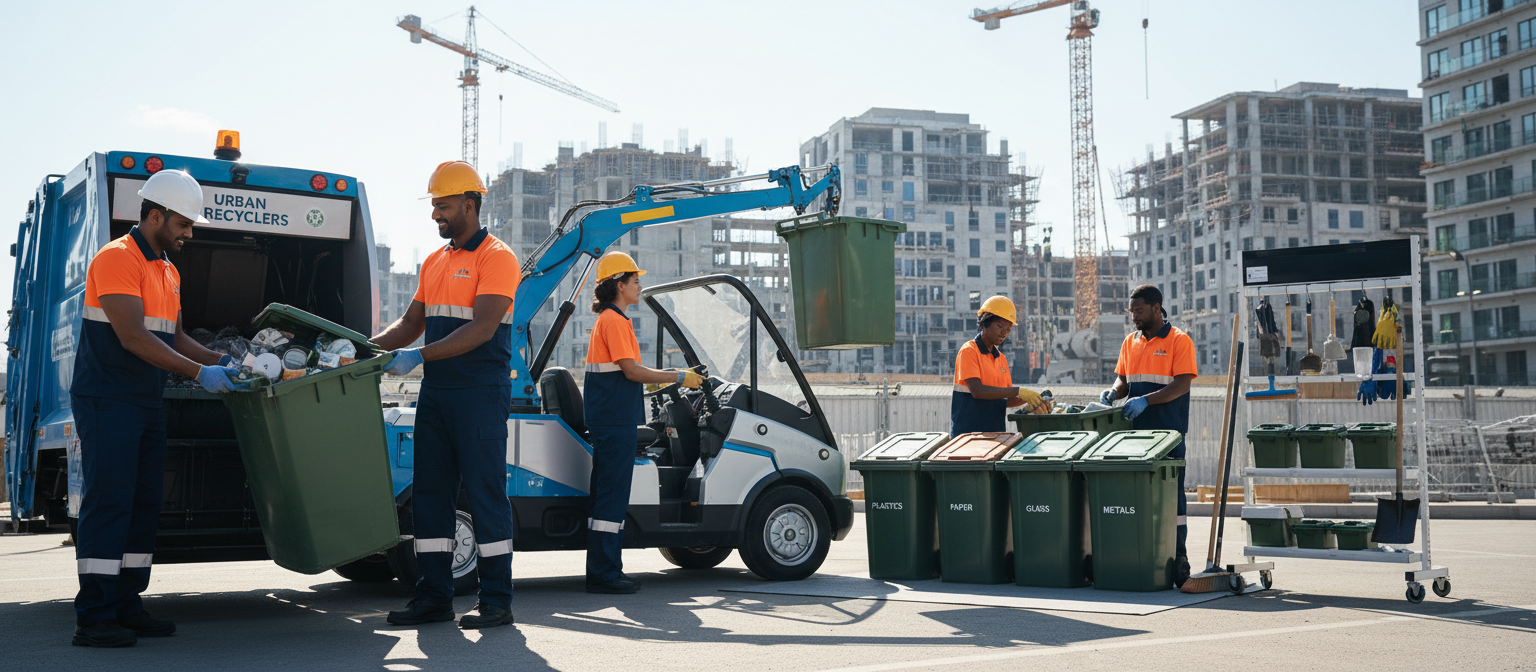
Professional waste clearance services play a critical role by assessing material types, advising on separation, and ensuring compliant disposal. This is particularly important for mixed renovation debris, which requires specialist handling.
Safety and Efficiency on Renovation Sites
Effective waste management improves more than compliance—it enhances safety and productivity. Clear sites reduce trip hazards, protect workers, and allow projects to progress without obstruction.
Key benefits of professional clearance include:
- Faster site turnaround
- Reduced risk of accidents
- Flexible collection schedules
- Minimal disruption to neighbours and traffic
For urban projects, where access is often restricted, smaller clearance vehicles are especially valuable.
Innovative Recycling and Disposal Solutions
Advanced Recycling Methods
Modern recycling facilities are capable of recovering 90–95% of many construction materials. This high efficiency is achieved through advanced sorting systems and material-specific processing.
Examples of material recovery:
| Material Type | Recycling Outcome |
|---|---|
| Concrete & Bricks | Crushed for aggregate reuse |
| Metals | Melted and reused in manufacturing |
| Timber | Reprocessed or used for biomass |
| Glass | Recycled into new building products |
| Plasterboard | Separated into gypsum and paper |
These methods significantly reduce landfill dependency while conserving resources.
Technology Transforming Waste Management
Digital tools are reshaping how renovation waste is tracked and managed. Electronic documentation, GPS-optimised collection routes, and transparent reporting systems allow contractors to monitor disposal practices in real time.
Benefits of these innovations include reduced emissions, improved compliance, and better data for sustainability reporting. As cities push for greener construction, technology plays a vital supporting role.
Benefits of Professional Waste Removal Services
Cost Transparency and Time Savings
Professional clearance services offer clear, upfront pricing based on load size, material type, and access conditions. This transparency helps builders budget accurately and avoid unexpected disposal costs.
| Load Size | Typical Weight | Estimated Price Range | Team Time |
|---|---|---|---|
| Small Load | Up to 250 kg | £80–£150 | 10–20 min |
| Medium Load | 250–500 kg | £150–£250 | 20–40 min |
| Large Load | 500–1,000 kg | £250–£450 | 40–60 min |
| Full Load | 1,000 kg+ | £450+ | 60+ min |
(Prices vary depending on material type and site conditions.)
By outsourcing waste handling, builders avoid multiple trips to recycling centres and can focus on core renovation work.
Supporting Sustainable Construction Goals
Eco-friendly clearance supports broader sustainability targets. High recycling rates reduce landfill use, lower carbon footprints, and help projects meet environmental standards.
Professional services also handle compliance paperwork, simplifying audits and supporting certifications related to sustainable building practices.
Sustainable Solutions for Urban Renovation Projects
Reducing Environmental Impact
Sustainable waste practices benefit both the environment and project budgets. Recycling is often more cost-effective than landfill disposal, especially as landfill taxes increase.
Key sustainable practices include:
- On-site material separation
- Dedicated recycling streams for wood, metal, and concrete
- Responsible processing of soil and landscaping waste
These approaches align with modern expectations for responsible urban development.
Long-Term Benefits for Builders and Cities
Environmentally responsible renovation enhances a builder’s reputation and appeals to eco-conscious clients. For cities, it reduces pressure on landfill infrastructure and supports cleaner, healthier communities.
For further reading on responsible refurbishment practices, see our internal guide on sustainable home improvement strategies and our article on urban recycling challenges and solutions. You may also find the UK government’s guidance on construction waste management helpful.
Conclusion
Modern refurbishment habits clearly demonstrate how renovation trends shape city waste. As urban properties evolve, so too must the strategies used to manage discarded materials. Responsible waste handling is no longer optional—it is a vital part of sustainable city living.
By choosing professional clearance services, builders and homeowners ensure compliance, maximise recycling, and maintain safe, efficient worksites. Smarter disposal supports environmental goals while keeping renovation projects on track.
If you’re planning an urban renovation, now is the time to think beyond the build itself. Make responsible waste management part of your project from day one and contribute to a cleaner, more sustainable city.