Living in the capital often means accepting a trade-off: a prime location in exchange for limited living space. London architecture and clutter are closely connected, as the city’s historic housing stock was never designed for modern lifestyles filled with possessions, technology, and seasonal items. From narrow Victorian terraces to elegant mansion blocks, architectural choices made decades ago still shape how residents organise their homes today.

Rather than seeing these buildings as restrictive, understanding their structure can unlock smarter ways to live. This guide explores how different London housing types influence storage challenges and offers practical, design-led solutions to help you reclaim space without sacrificing comfort or character.
London architecture and clutter are closely linked, as historic layouts were never designed for modern storage demands.
Key Takeaways
- London’s historic housing styles strongly influence storage possibilities
- Different property types require tailored organisation strategies
- Vertical and multifunctional storage is essential in compact homes
- Regulations affect space standards but don’t guarantee comfort
- External storage can complement limited internal capacity
Understanding London’s Housing Landscape
London’s residential architecture reflects centuries of growth, regulation, and social change. Each era introduced new building styles, often prioritising density and location over generous interiors.
How History Shaped Space
Victorian-era homes were built rapidly to house workers close to employment hubs. These properties typically feature narrow frontages, long corridors, and minimal built-in storage. Edwardian semis improved on this by offering wider plots and garden access, while mansion blocks introduced apartment living with high ceilings but smaller floor plans.
Although modern standards exist, many older homes predate them. As a result, residents today must adapt layouts originally designed for far fewer belongings.
How London Architecture and Clutter Are Connected
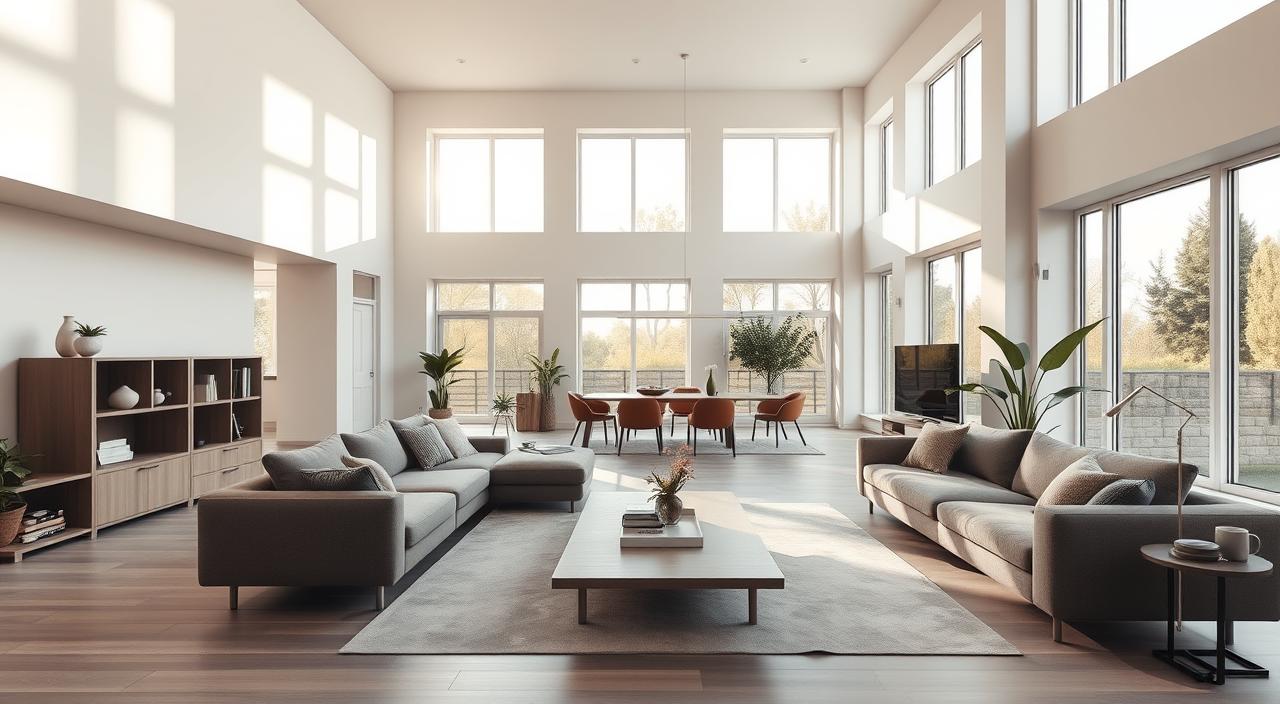
Britain has some of the smallest average home sizes in Europe. This reality makes London architecture and clutter an unavoidable pairing. When storage isn’t integrated into the original design, everyday items quickly spill into living areas.
Different housing types present distinct challenges and opportunities:
| Property Type | Common Features | Main Challenges | Storage Opportunities |
|---|---|---|---|
| Victorian Terrace | Narrow layout, long depth | Limited width, poor light | Under-stairs, vertical shelving |
| Semi-Detached | Wider rooms, side access | Inefficient corners | Built-ins, loft storage |
| Mansion Block | High ceilings, compact rooms | Small floor area | Wall-mounted systems |
Recognising these patterns helps you plan solutions that work with, not against, your home’s structure.
Assessing Storage Needs by Home Type
Before buying furniture or installing shelves, it’s important to assess how your household actually uses space.
Start with a Lifestyle Audit
Consider how many people live in the property, how often items are used, and which belongings are seasonal. Everyday essentials should remain easily accessible, while rarely used items can be relocated or stored externally.
A room-by-room review often reveals wasted potential: unused corners, high walls, or awkward alcoves that can be transformed into practical zones.
Storage Solutions for Terraces, Semis, and Mansion Blocks
Victorian Terraces: Making the Most of Depth
Terraced houses may be narrow, but they often extend deep into the plot. Under-stair areas are frequently underused and can accommodate custom cabinets or pull-out drawers. Floor voids beneath suspended timber floors also provide hidden storage for seasonal belongings.
Rear extensions, when permitted, can integrate built-in cupboards that improve flow while increasing capacity.
Semi-Detached Homes: Flexibility and Expansion
Semis benefit from wider layouts and side passages, which are ideal for storing bikes, tools, or garden equipment. Loft conversions are especially effective, creating dedicated storage or multifunctional rooms that reduce clutter elsewhere.
Mansion Blocks: Thinking Vertically
High ceilings are the greatest asset in mansion block flats. Full-height shelving, tall wardrobes, and overhead cupboards make use of vertical space without encroaching on the floor. Alcoves can be transformed into fitted storage that blends seamlessly with the building’s character.
Residents may also have access to communal basements, providing valuable off-site storage within the building.
Smart Storage for Compact Living
In compact homes, furniture must work harder. Dual-purpose pieces reduce clutter by combining functionality.
Multifunctional Furniture
Ottoman beds hide bulky items like luggage or spare bedding. Fold-away desks transform living rooms into temporary workspaces, while window seats double as storage chests.
Clever Layout Choices
Floating shelves keep floors clear and create visual openness. Tall cabinets draw the eye upward, making rooms feel larger while increasing storage capacity. Always measure carefully, as older buildings often have narrow staircases and doorways.
| Furniture Type | Primary Use | Storage Capacity | Ideal Room |
|---|---|---|---|
| Ottoman Bed | Sleeping | 200–300L | Bedroom |
| Convertible Desk | Work | Variable | Study |
| Window Seat | Seating | 100–150L | Living area |
| Nesting Tables | Surface | Stackable | Lounge |
Maximising Wall and Vertical Space
Walls are often the most underutilised asset in small properties. Floor-to-ceiling units turn blank surfaces into functional storage zones without reducing walkable space.
Adjustable shelving systems adapt as needs change, while wall grids with hooks offer modular solutions for kitchens, offices, or utility areas. Matching finishes to wall colours helps storage visually recede, maintaining a sense of openness.
Regulations and Space Standards

The nationally described space standard introduced minimum dimensions for new homes, including built-in storage requirements. In London, these standards are mandatory, with higher minimum ceiling heights that improve vertical storage potential.
However, these regulations represent a baseline rather than an ideal. Even compliant properties can feel cramped, explaining why many households still struggle with clutter.
Listed buildings and conservation areas may impose additional restrictions, making portable or reversible storage solutions particularly valuable.
Using External Storage as an Extension of Your Home
When internal options are exhausted, external storage offers a flexible alternative. Renting a unit is often more affordable than moving to a larger property and allows you to keep belongings without overcrowding your living space.
What Works Well Off-Site
Seasonal decorations, archived documents, sports equipment, and out-of-season clothing are ideal candidates. Treating external storage as an organised extension of your home makes retrieval simple and stress-free.
| Item Type | Suitability | Organisation Tip |
|---|---|---|
| Seasonal Décor | High | Label boxes clearly |
| Clothing | High | Use vacuum bags |
| Sports Gear | Medium | Store vertically |
| Documents | High | Stackable archive boxes |
Maintaining an Organised Home Long Term
Organisation isn’t a one-time task. In small spaces, clutter accumulates quickly unless systems are maintained.
Adopting habits like “one in, one out” prevents gradual build-up. Daily resets in high-traffic areas and quarterly decluttering sessions keep storage effective. Involving everyone in the household ensures systems remain functional rather than becoming a single person’s responsibility.
Flexible, modular solutions are especially valuable, adapting as lifestyles change without requiring constant replacement.
Cost-Effective Storage Strategies
Effective storage doesn’t require extravagant spending. Prioritising multifunctional furniture and vertical solutions delivers strong returns without major renovation.
| Solution | Typical Cost | Space Saved | Best Location |
|---|---|---|---|
| Ottoman Bed | £200–£400 | 2–3 m² | Bedroom |
| Wall Desk | £150–£300 | 1–1.5 m² | Office |
| Modular Shelving | £100–£250 | Vertical | Living area |
| Nesting Tables | £80–£180 | Flexible | Any room |
Balancing quality with affordability ensures storage solutions last while continuing to support your living needs.
Conclusion
London architecture and clutter are inseparable, shaped by centuries of design decisions that prioritised density and location. The key to comfortable living lies in understanding your home’s structure and working with its strengths rather than fighting its limitations.
By combining smart internal solutions with external storage where needed, residents can enjoy organised, functional homes without sacrificing character or location. Start with an honest assessment, choose adaptable systems, and build habits that support long-term order. Compact living in London can be both practical and peaceful when storage is approached strategically.
Understanding London architecture and clutter helps homeowners design storage systems that work with their space rather than against it.