That unwanted wardrobe left in a hallway or the broken fridge sitting in a garage often feels like a personal inconvenience. In reality, it is part of a much larger challenge. The bulky waste impact London experiences every day shows how a single oversized object can affect collection schedules, recycling facilities, public spaces, and even council budgets.
London’s waste system is designed to operate with balance and predictability. When one household introduces an unexpected large item into the system, the effects ripple outward. Vehicles may need rerouting, collection crews face delays, and processing sites experience unplanned pressure. Understanding this wider picture helps residents make better decisions and avoid contributing to avoidable problems.
This in-depth guide explains what counts as bulky waste, why it is such a challenge in the capital, and how responsible disposal choices protect both communities and the environment.
Key Takeaways
- A single oversized item can disrupt entire collection routes
- Proper handling reduces environmental damage and landfill use
- Incorrect disposal can result in fines and safety hazards
- Individual choices directly affect community cleanliness
- Understanding local rules is essential for compliance
- Professional collection services simplify complex disposal
- Responsible action supports a more sustainable London
What Is Bulky Waste and Why It Matters in London
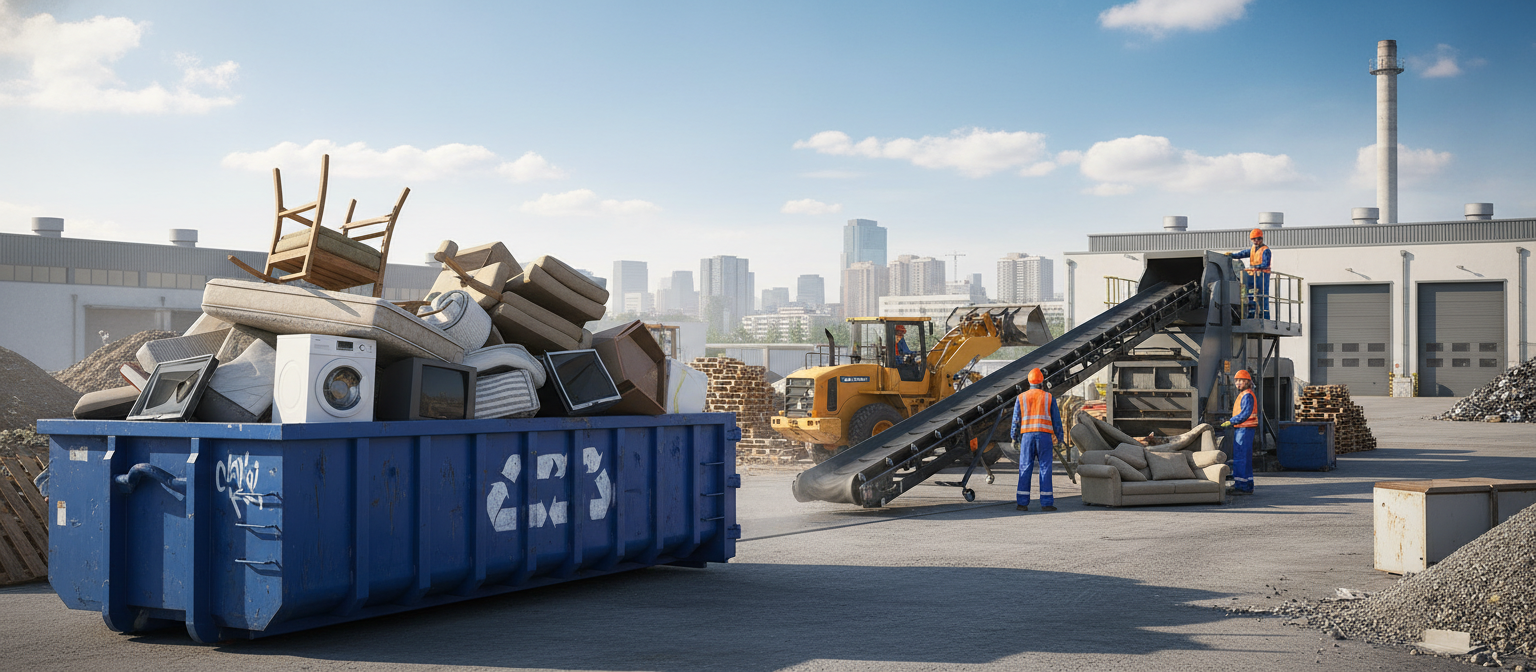
Bulky waste refers to items that cannot be collected through standard household bins due to their size, weight, or material composition. In London’s dense urban environment, these objects pose particular challenges.
Common Examples of Bulky Items
- Sofas, armchairs, wardrobes, beds
- Mattresses and large carpets
- Fridges, freezers, washing machines, ovens
- Large garden waste such as decking or branches
- Renovation debris including doors and timber panels
These items often exceed weight limits or contain materials that require specialist treatment, such as refrigerants, treated wood, or mixed textiles.
The System-Wide Bulky Waste Impact London Faces
The bulky waste impact London is not limited to the household generating the item. It affects multiple layers of the waste infrastructure.
Pressure on Collection Services
Council collection vehicles follow tightly planned routes. When bulky items appear unexpectedly, crews may lack the equipment or space to collect them safely. This can lead to missed collections for other residents and additional costs for return visits.
Strain on Processing Facilities
Recycling and treatment centres rely on predictable waste streams. Sudden surges of large items require manual handling, additional sorting, and sometimes temporary storage. These disruptions slow down processing and increase operational costs.
Impact on Public Spaces
Improperly disposed furniture or appliances often end up on pavements, in alleyways, or near communal bins. This not only creates visual pollution but can block access routes, attract further dumping, and pose risks to pedestrians.
Environmental Consequences of Improper Disposal
When bulky items are not managed correctly, the environmental consequences are significant.
Increased Landfill Use
Large household items take up considerable space in landfill sites. Many contain recyclable materials such as metal frames, timber, and textiles that could otherwise be recovered.
Pollution Risks
Appliances may leak oils or refrigerants, while treated wood and synthetic fabrics can release harmful substances into soil and water. These pollutants affect ecosystems far beyond the immediate dumping location.
Missed Recycling Opportunities
Furniture and appliances often have components that can be refurbished, reused, or recycled. Improper disposal wastes valuable resources and increases demand for new raw materials.
Why “Just One Item” Creates a Domino Effect

It is easy to assume that one mattress or sofa makes little difference. In practice, it often triggers a chain reaction.
An abandoned item can encourage copycat behaviour. What starts as one piece of furniture can quickly become an informal dumping spot. Councils then need to deploy additional crews, diverting funds from other essential services.
Blocked access routes can delay routine collections, affecting entire streets. In this way, one poor decision has consequences for hundreds of households.
Assessing Your Bulky Items Before Disposal
Responsible disposal begins with assessment. Taking time to evaluate your unwanted items makes the process smoother and more sustainable.
Check Condition and Reuse Potential
Ask yourself:
- Is the item still functional?
- Could it be repaired or refurbished?
- Would someone else benefit from it?
Furniture in reasonable condition may be suitable for donation. Reuse extends the lifespan of products and reduces overall waste generation.
Sort Items by Disposal Path
A simple sorting system helps:
- Donate or reuse – functional furniture and appliances
- Recycle – broken items with recoverable materials
- Dispose responsibly – items beyond repair
Disassembling large items where possible can also make handling safer and more efficient.
Sustainable Disposal Options Available to Londoners
London residents have several responsible options when dealing with oversized items.
Council Bulky Waste Collection
Most boroughs offer a dedicated service for bulky items. While there may be a fee, this option ensures compliance with local regulations and proper treatment of materials.
Charity Donations
Many charities accept furniture and electrical goods that meet safety standards. This supports community initiatives while reducing landfill pressure.
Professional Removal Services
Licensed private collectors specialise in handling complex or mixed loads. They often provide recycling guarantees and detailed documentation, which is especially useful for larger clearances.
Legal Responsibilities and Local Regulations

Understanding your obligations is crucial. Improper disposal is not just inconvenient—it can be illegal.
Compliance Matters
Leaving items on the pavement without an arranged collection is considered fly-tipping. This offence can result in significant fines and enforcement action.
Staying Within the Rules
Always check your borough’s guidelines before placing items outside. Using authorised services ensures that your actions align with waste regulations and protects you from penalties.
Practical Tips for Efficient Bulky Waste Collection
A little preparation goes a long way.
Before Collection Day
- Book services in advance
- Group similar items together
- Disassemble large furniture where possible
- Secure loose parts and cables
On the Day
- Place items in the agreed location
- Ensure clear access for crews
- Follow any specific instructions provided
These steps reduce risks and speed up the collection process.
Managing Commercial and Office Clearances Responsibly
Businesses face additional challenges when clearing offices or commercial spaces. Mixed materials, data security, and compliance requirements add complexity.
Why Professional Support Matters
Specialist providers handle everything from furniture removal to secure electronic waste processing. They also supply compliance documentation, which is essential for audits and sustainability reporting.
Benefits for Businesses
- Reduced landfill contributions
- Improved environmental credentials
- Clear audit trails and certifications
- Efficient, time-saving solutions
The Bigger Picture: Community Responsibility
Every household and business contributes to London’s waste footprint. The bulky waste impact London experiences reflects collective behaviour rather than isolated actions.
Choosing responsible disposal methods helps maintain cleaner streets, reduces strain on public services, and supports recycling infrastructure. It also sends a message that shared spaces deserve care and respect.
Conclusion
Bulky waste may start in one home, but its effects reach far beyond that front door. From disrupted collections to environmental harm, the consequences are shared across communities.
By assessing items carefully, understanding local rules, and choosing responsible disposal options, residents can reduce negative impacts. Council services, charities, and professional collectors all play a role in keeping London cleaner and more sustainable.
Every thoughtful decision creates a positive ripple. When individuals act responsibly, the entire system works better—for neighbourhoods, the environment, and future generations.