Local authorities across the United Kingdom operate comprehensive refuse management systems for households. These operations are vital for public health and keeping our environment safe.
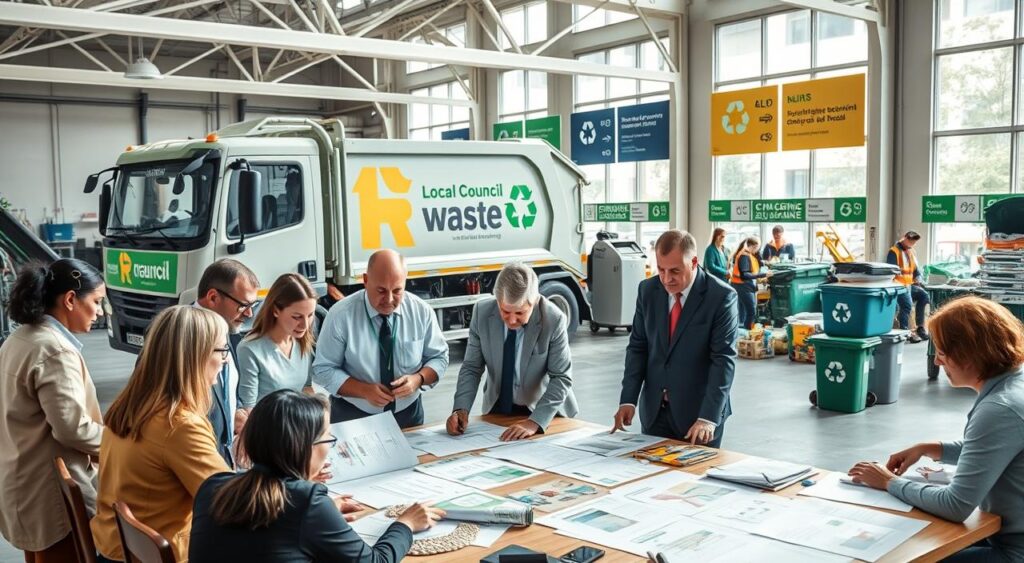
This guide offers a detailed look at how these systems function. It covers everything from regular bin collections to the safe disposal of large or hazardous items.
You can find specific rules for your area by checking your local authority’s official website. Understanding these rules helps everyone participate effectively in recycling and proper disposal programmes.
Effective refuse management keeps streets clean and reduces the amount of material going to landfill. It is a critical public service that relies on community cooperation.
Key Takeaways
- Local authorities across the UK manage comprehensive refuse and recycling operations.
- These systems are essential for protecting public health and the environment.
- Residents should consult their local authority’s website for specific collection schedules and rules.
- Proper participation in recycling initiatives helps reduce landfill use.
- The service covers routine bin collections as well as safe disposal of bulky or hazardous items.
- Effective management relies on a partnership between the authority and the community.
- Understanding the system helps households dispose of their refuse correctly.
Introduction to Local Council Waste Services
We’ve created this central hub of information to support you in disposing of your rubbish correctly and efficiently. Our goal is to cut through the complexity.
You will find clear guidance tailored for every household. This helps you follow local rules with confidence.
Overview of Service Page Objectives
This page has several core aims. First, it provides accurate content to explain collection schedules and recycling rules.
Second, it acts as a starting point for finding specific support. We centralise information from your local authority.
| Objective | Benefit for You | Expected Outcome |
|---|---|---|
| Simplify complex rules | Saves you time and confusion | Correct bin use every week |
| Promote recycling knowledge | Reduces contamination | More material gets recycled |
| Guide on special collections | Safe disposal of bulky items | Cleaner streets and pavements |
| Direct to official sources | Ensures you have the latest info | Compliance with local laws |
Importance for Local Communities
These systems are vital for public health. They prevent rubbish from building up in neighbourhoods.
Effective management keeps areas looking tidy and safe. It protects the local environment for everyone.
Our website uses cookies to function properly. You can manage your cookie preferences in your browser settings anytime.
By working together, we maintain high standards of hygiene. This makes our communities better places to live.
Council Waste Services UK: Roles and Responsibilities
Regular bin collections form the backbone of community cleanliness efforts. Your local authority organises these and other crucial programmes.
This work ensures rubbish is removed safely and materials are recovered. It’s a shared duty between residents and their governing body.
Bin Collection and Recycling Initiatives
The weekly bin collection is a core task. It keeps general refuse from building up in homes.
Many areas also run specific recycling schemes. You should check your local website to see if you qualify for an extra recycling bin.
This helps sort paper, plastics, and glass correctly. Proper sorting boosts the success of these green initiatives.
Our site uses cookies to monitor page performance. This helps us keep our guidance on rubbish and recycling clear and easy to find.
Household and Garden Waste Management
Dealing with garden waste is another key role. Often, you need to sign up for a seasonal collection programme.
This handles grass cuttings, leaves, and small branches. Separating these garden materials from general rubbish is vital.
It allows for composting or green recycling. Good management at home supports the larger system run by your council.
Understanding Local Authority Waste Collection Systems
Knowing how your rubbish is collected helps you dispose of items correctly and on time. The system is built on regular schedules and specific rules for different materials.
Following these guidelines ensures the process runs smoothly for everyone in your neighbourhood.
Scheduled Bin Collections
Your specific collection day is key. Find it by entering your postcode on your local authority’s official website.
If your bin collection is missed, report it online promptly. This helps the team rectify the issue quickly.
Efficient systems rely on residents separating their rubbish as instructed. This keeps recycling streams clean and effective.
Special Collection for Large Items
You cannot put large items like sofas or fridges in your regular bins. Your local council provides a special waste collection service for these.
You must book this service in advance and may need to pay a fee. It ensures bulky rubbish is disposed of safely and responsibly.
Our site uses cookies to work properly. You can manage your cookie settings in your browser at any time.
Recycling Centres: Locate and Utilise Your Nearest Facility
These facilities provide a vital drop-off point for materials that cannot go in your regular bins. They help manage household items that are too large or not suitable for kerbside collections.
Using your local recycling centre correctly diverts significant amounts of material from landfill. It is a key part of the broader environmental sustainability effort in your community.
Booking Requirements and Opening Times
You must make a booking prior to visiting any household waste recycling centre if you arrive in a van or with a trailer. This rule helps manage site traffic and ensures safe operation for all users.
Find your nearest site, including directions and opening times, by checking the official government website for your local area. Always verify the list of accepted items before you travel to avoid unnecessary trips.
Our site uses cookies to improve your experience. You can manage your cookie preferences to ensure everything works correctly on your device. Proper utilisation supports efficient material recovery and waste reduction goals.
Household Waste Disposal Guidelines
Your home generates a variety of materials that need specific disposal routes. Knowing what is accepted where is crucial for correct disposal and avoiding problems.
Accepted Waste Materials
Household waste is any refuse from your home. This includes old mattresses, furniture, and electrical appliances.
You must never place items like oils, paints, or scrap metal in your standard bin. These require a designated facility.
DIY debris, such as rubble, timber, and bricks, has specific rules. It is your responsibility to dispose of everything correctly.
| Material Type | Examples | Correct Disposal Method |
|---|---|---|
| General Household Refuse | Old mattresses, furniture | Book a special collection or use a recycling centre |
| Hazardous & Recyclable Materials | Oils, paints, scrap metal | Take to a designated facility (not your bin) |
| DIY & Construction Debris | Rubble, timber, bricks | Follow your local council’s specific guidelines |
Always check the official list of accepted materials for your area. This ensures your waste is processed through the proper channels.
Managing Garden Waste and DIY Debris
Green clippings and construction leftovers from home projects cannot simply be tossed into your regular refuse bin. They require specific handling to keep your property tidy and support local recycling efforts.
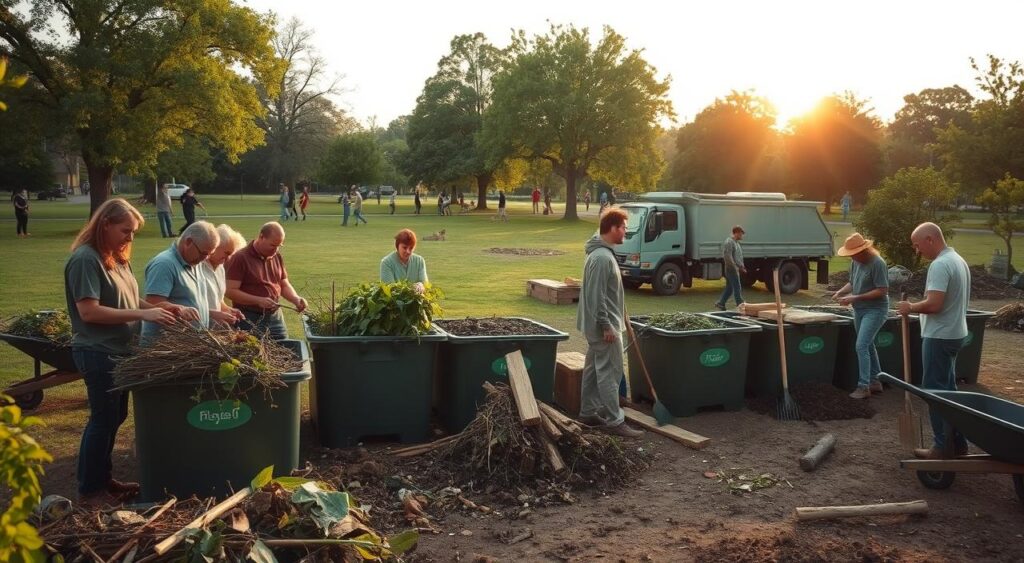
Managing garden waste effectively often involves using a dedicated bin if your local authority provides one. For larger quantities, like after a major prune, you may need to take materials directly to a designated site.
DIY debris such as timber, bricks, and plasterboard must be separated from your general household rubbish. This ensures it is processed correctly through the proper channels.
Be aware of rules regarding garden bonfires. Many areas have strict regulations to prevent smoke becoming a nuisance to neighbours. Always check for any seasonal restrictions.
If your council does not collect garden materials, you might need a registered private business for removal. This ensures your green waste is dealt with safely and legally.
Proper disposal prevents illegal dumping and helps maintain the cleanliness of your local neighbourhood. It’s a responsible step for every household.
Non-Council Waste Services: Private and Alternative Options
For items that fall outside standard collection schemes, residents can turn to licensed private operators for assistance. These alternatives are useful when your local authority’s programme doesn’t cover certain materials or you need a more flexible solution.
Registered Waste Carriers and Scrap Metal Dealers
If you hire a private business for rubbish removal, you must verify they are on the official register of waste carriers as an upper-tier provider. This check ensures they are legally authorised to handle your refuse.
You can give old electrical items to retailers when you purchase new ones. This take-back scheme offers a convenient way to dispose of small household appliances.
When using a scrap metal dealer, ensure they are properly registered. You could face a fine if you give your materials to an unauthorised person.
If a charity collects items from your home, check they are listed as a lower-tier provider on the same register. Always verify credentials before using any private collection service.
This due diligence guarantees your household waste is managed in full compliance with environmental rules. It protects you from potential penalties.
Regulations, Permits and Penalty Notices in Waste Disposal
Disposing of household rubbish involves more than just putting bins out. It is governed by specific legal rules designed to protect our environment.
These regulations ensure all materials are handled safely by authorised parties. Understanding your responsibilities helps you avoid significant penalties.

Legal Requirements for Safe Waste Disposal
You have a legal duty to ensure your rubbish goes to a permitted site. If you use a private facility, check it holds a valid environmental permit.
Some sites operate under a registered exemption. You must verify this before depositing any materials.
For information on permits for waste collection operations, contact the Environment Agency. Their number is 03708 506 506, Monday to Friday, 8am to 6pm.
Consequences of Non-Compliance
Failing to check a carrier’s credentials can lead to a fixed penalty notice. In serious cases, prosecution for environmental offences may occur.
If your discarded items are found fly-tipped, you could be held liable. This failure to dispose of waste legally often results in substantial fines.
| Legal Requirement | Your Required Action | Potential Consequence of Failure |
|---|---|---|
| Use of authorised disposal sites | Check for an environmental permit or registered exemption | Material rejected; need for alternative disposal |
| Using licensed waste carriers | Verify the operator is on the official register | Fixed penalty notice or prosecution |
| Preventing fly-tipping | Ensure your rubbish is transferred to a legal entity | Being held liable and facing significant fines |
| Accessing official information | Contact the Environment Agency for permit queries | Acting on incorrect or outdated guidance |
Our website uses cookies to deliver accurate information. You can manage your cookie settings to control data privacy.
Community Engagement and Environmental Impact
The quality of our local environment is a shared responsibility between residents and their local authority. Your active involvement makes a direct difference to public health and neighbourhood cleanliness.
This content highlights how you can help. Reporting problems is a key part of community engagement.
Reporting Waste Problems and Violations
You can report several issues to your local council. These include fly-tipping, dog fouling, abandoned vehicles, and discarded syringes.
Prompt reporting is a critical service. It helps protect people and wildlife from harm.
Our guidance encourages you to join local recycling programmes. This significantly reduces the environmental impact of household rubbish.
| Issue Type | Examples | Your Action |
|---|---|---|
| Fly-tipping & Illegal Dumping | Bags of refuse, furniture, or builders’ rubble left on land | Report immediately with location details and photos if safe |
| Dog Fouling | Dog mess on pavements, in parks, or near schools | Notify the authority to arrange cleaning |
| Missed Bin Collection | Your household or recycling bin was not emptied on the scheduled day | Contact your local authority’s customer services for a swift resolution |
| Garden Waste Problems | Overflowing green bins or unauthorised burning causing nuisance | Seek advice on correct disposal methods or report burning concerns |
Active participation ensures authorities can maintain high standards. It keeps our shared spaces clean and safe for everyone.
Conclusion
Taking responsibility for what we throw away is a simple yet powerful way to protect our surroundings. Managing your household materials responsibly is essential for community health and environmental safety.
Using official collection schemes and recycling centres ensures refuse is processed legally and sustainably. Always check the credentials of any private operator to avoid penalties.
Proper handling of garden waste and bulky items through correct channels prevents fly-tipping. This keeps neighbourhoods clean and pleasant for everyone.
We encourage all residents to stay informed about local policies. Active participation in community initiatives makes a real difference.